
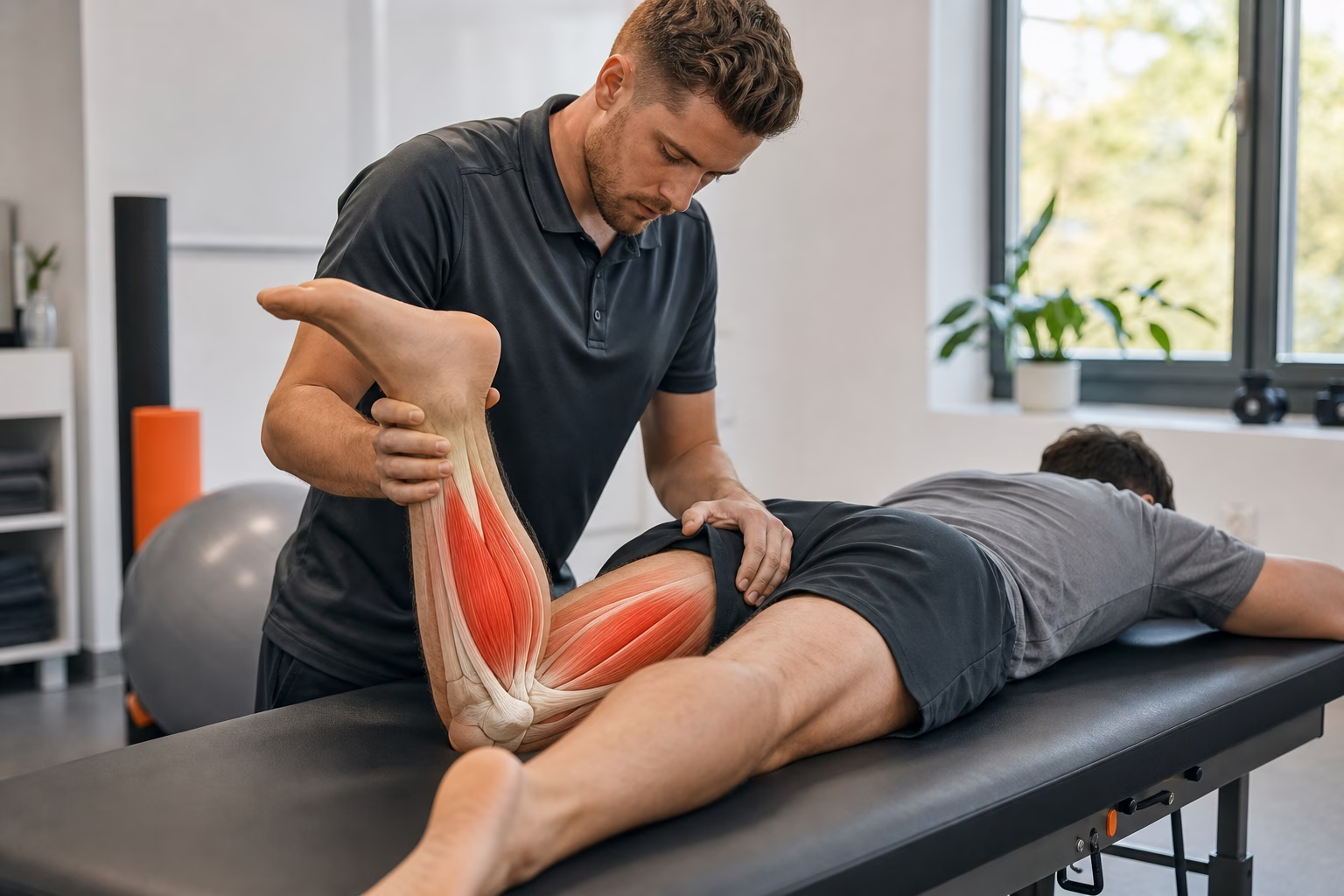
Got a hamstring strain and wonder how to get back to running without re‑injuring yourself? Below is a clear, step‑by‑step plan that moves you from gentle activation to full‑speed sport work. Follow each phase, listen to your body, and you’ll rebuild strength safely.
⚠️ Disclaimer: This guide is for informational purposes only and does not replace professional medical advice. Always consult a qualified physiotherapist before beginning any exercise or treatment plan.
Step 1: Understand Your Hamstring Strain Before You Exercise
First, know what you’re dealing with. The hamstring complex , semimembranosus, semitendinosus, and biceps femoris , crosses both the hip and knee, helping you extend the hip and flex the knee. Most strains happen during high‑speed running when the muscles contract eccentrically to slow the leg down. Research shows that Grade I and II strains respond well to a three‑phase rehab plan: early low‑impact work, sub‑maximal eccentric loading, and finally sport‑specific drills.
Ask yourself: Is the pain sharp or a dull ache? Does it flare when you walk, or only when you sprint? If you notice swelling, bruising, or can’t bear weight, you’re likely past the mild stage and need professional assessment.
Dynamic Balance Physio tailors each phase to your exact injury pattern. Our team can pinpoint whether the strain is proximal (near the pelvis) or distal (near the knee) and set realistic milestones. Sprains and Strains page explains how we blend manual therapy with targeted exercise.
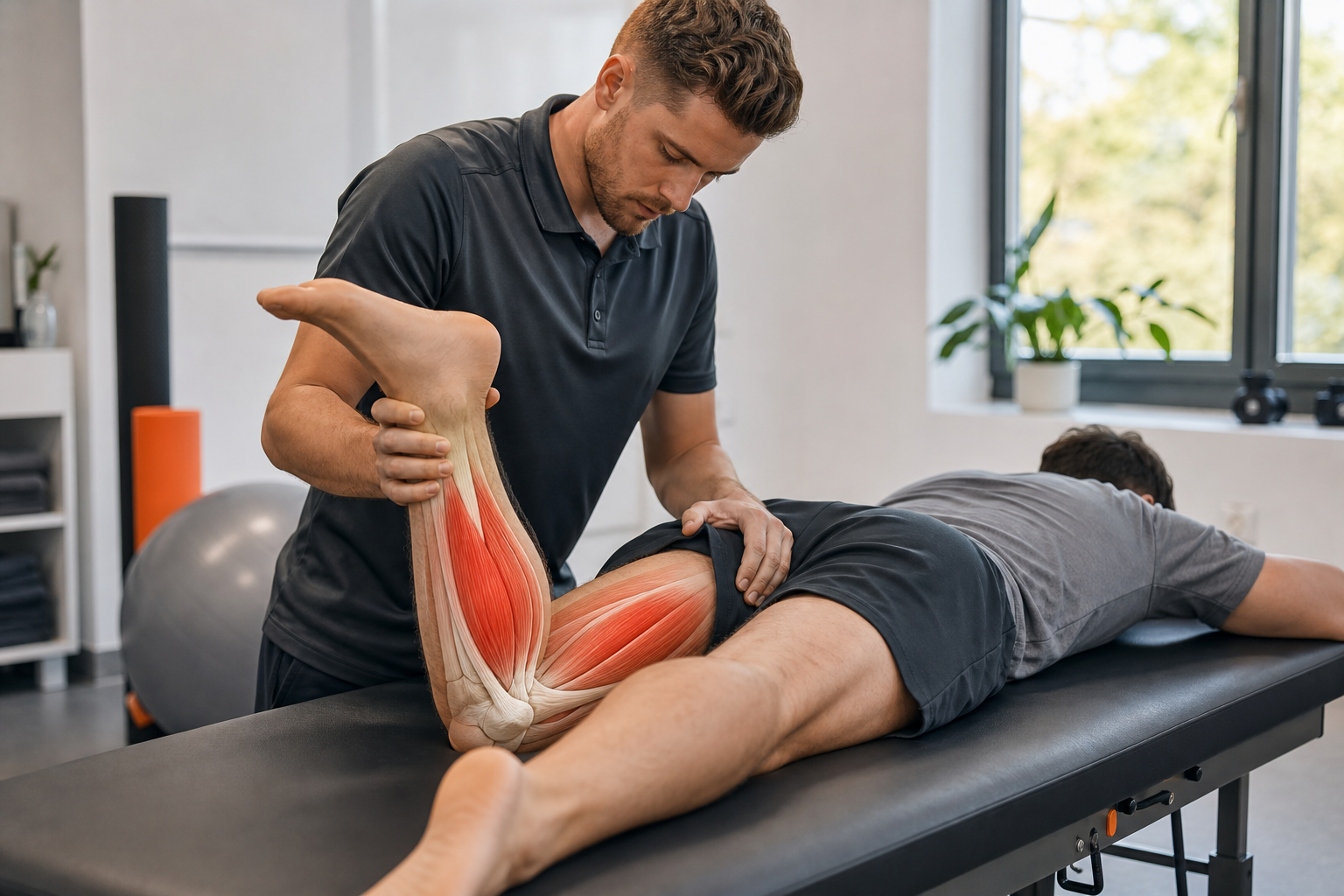
Bottom line: Get a clear grade and location before you start any exercise. That knowledge guides the load you’ll apply in the coming weeks.
Step 2: Begin with Isometric Hamstring Exercises (Days 1, 7)
Isometrics let the muscle fire without changing length, which protects the healing tissue. A classic move is the single‑leg bridge with weight through the mid‑foot. Lie on your back, bend one knee, keep the other leg straight, and lift the hips just enough that the glutes hover. Keep the weight on the forefoot, not the heel, to force the hamstrings to do the work.
Hold the position for 5, 10 seconds, then lower slowly. Do three sets of five reps, twice a day. Pain should stay below a 3/10 rating; if it spikes, drop the hold time.
Why this works: By avoiding hip flexion beyond the comfort zone, you limit strain on the muscle‑tendon junction while still recruiting the semitendinosus and biceps femoris. This variation is considered reliable for early‑phase rehabilitation.
Keep a short log of pain scores and hold times. When you can do three sets pain‑free for a week, you’re ready to add a bit of movement.
Step 3: Progress to Eccentric Strengthening (Weeks 2, 4)
Eccentric work is the cornerstone of hamstring rehab. It teaches the muscle to absorb force during the late swing of running, the moment it’s most vulnerable.
Start with the Nordic hamstring curl. Kneel on a padded surface, have a partner hold your ankles, and slowly lower your torso forward while keeping the hips neutral. Aim for a 3‑second descent, then use your hands to push back up.
If a full Nordic feels too hard, begin with an assisted version , hook a resistance band to your shoulders and let it help you control the descent. Perform three sets of five reps, three times a week.
Other eccentric moves include the Romanian deadlift (RDL) with a light kettlebell and the single‑leg slide leg curl on a sliding rug. Both target the semitendinosus and biceps femoris while keeping the knee relatively stable.
Progression rule: Add 5 % more load or one extra rep each week only if you finish the set without sharp pain.
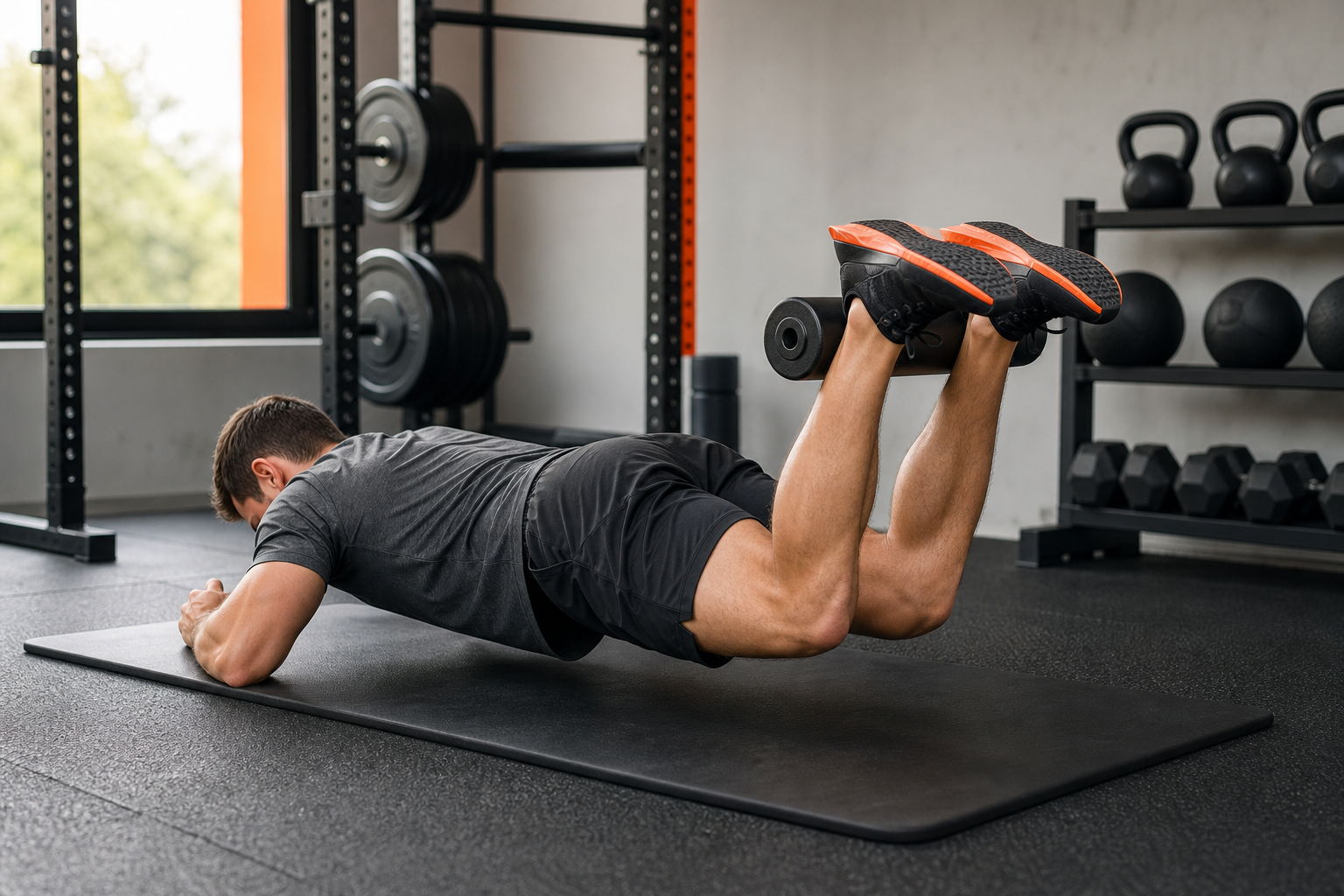
Eccentric training can reduce re‑injury risk when performed correctly.
Step 4: Build Functional Strength with Compound Movements (Weeks 3, 6)
Now that the hamstrings can handle lengthening loads, add multi‑joint lifts that mimic sport demands. The stability‑ball hamstring bridge is a great bridge between isolation and full‑body work.
Lie on your back, place your heels on a stability ball, and lift your pelvis while keeping a neutral spine. This move activates the semitendinosus, semimembranosus, and biceps femoris together with the glutes and core.
Do three sets of 10‑12 reps, twice a week. As you get comfortable, add a dumbbell to the hips or progress to single‑leg bridges on the ball.
Other compound options include lunges that target the semitendinosus ( study shows) and kettlebell swings that load the posterior chain without heavy spinal compression.
Remember to stay pain‑free during the eccentric (lowering) phase. If you feel a sharp tug, drop the load and revisit the Nordic.
Bottom line: Compound lifts train the hamstrings in the context of the whole kinetic chain, preparing you for sport‑specific forces.
Step 5: Reduce Reinjury Risk with Nordic Hamstring Curls (Weeks 5, 8)
By week five, you should be comfortable with basic eccentrics. Return to the full Nordic curl, this time aiming for a longer range of motion and a slower 4‑second descent.
Do four sets of six reps, three times a week. The key is consistency , regular Nordic work builds fascicle length, which is linked to lower strain rates during sprinting.
Research on the Nordic curl notes a marked drop in recurrence rates when athletes incorporate it into the late rehab phase. It is considered a gold‑standard eccentric exercise.
Watch your form: hips should stay level, spine neutral, and the movement controlled. If you feel your lower back working, reduce the range or add a slight bend in the knees.
When you can complete the session without pain for two weeks straight, you’ve built a solid defensive buffer.
Step 6: Restore Neuromuscular Control Before Returning to Sport
Strength alone won’t keep you safe. You need the brain‑muscle wiring to fire the hamstrings at the right moment during high‑speed running.
Introduce banded oscillatory work: anchor a resistance band at ankle height, step on it, and perform small, rapid hip extensions while maintaining balance on a single leg. This challenges the proprioceptive system and improves timing.
Do two sets of 30 seconds per leg, three times a week. Progress by increasing band tension or adding a slight forward lean.
Combine this with sprint drills that start at 60 % effort and build to 80 % over several sessions. The goal is to feel the hamstrings engage before the foot strikes the ground.
When you can run 20 meters at near‑full speed without a pain spike and maintain good form, you’re ready for sport‑specific drills.
FAQ
How long does a typical hamstring strain rehab take?
Most mild to moderate strains heal in 4, 8 weeks if you follow a staged program that respects pain thresholds.
Can I do hamstring exercises at home without equipment?
Yes. Isometric bridges, body‑weight Nordic curls (using a partner for support), and sliding leg curls on a rug all need no machines.
When is it safe to start running again?
Start jogging only when you can perform a pain‑free single‑leg bridge and a controlled Nordic curl with no sharp aches.
What if I feel pain during eccentric work?
Drop the load or revert to the previous week’s level. Pain above 3/10 signals that the tissue isn’t ready for the next challenge.
Should I see a physiotherapist for a hamstring strain?
Yes. A qualified clinician can grade the injury, tailor the exercise load, and monitor progress to avoid setbacks.
Do I need special shoes for hamstring rehab?
Flat, stable shoes work best for early phases. Switch to sport‑specific footwear only after you’ve regained full strength and control.
Ready to get moving again? Start with the isometric bridge today, log your pain, and move through each step at a pace that feels right. If you want a personalized plan, book a session with Dynamic Balance Physio , we’ll map your rehab and keep you on track.