Feeling dizzy or off‑balance? That’s a sign your vestibular system isn’t talking to your brain the way it should. Vestibular rehabilitation therapy (VRT) is a hands‑on program that teaches the brain to re‑learn balance and clear vision.
⚠️ Disclaimer: This content is for educational purposes only. Please consult a qualified physiotherapist before attempting any vestibular rehabilitation exercises or following the advice in this article.
What Vestibular Rehabilitation Therapy Is and Why It Matters
VRT is a set of exercises prescribed by a trained physiotherapist to reduce vertigo, improve gaze stability, and restore steady walking. The therapy works because the brain can adapt , a process called neural plasticity , when you repeatedly challenge the vestibular pathways. Vestibular Physiotherapy surrey langley , Dynamic Balance Physio offers a full‑service VRT program that blends gaze‑stability drills, balance training, and habituation work.
Most people need six to eight weekly sessions, plus a daily home program. The clinic tailors the plan after a thorough assessment that checks eye movements, balance on different surfaces, and how well the vestibulo‑ocular reflex (VOR) holds up while the head moves. The goal isn’t to cure the inner‑ear damage; it’s to help the brain compensate, so daily tasks feel safe again.
Core Gaze‑Stability Exercises Used in VRT
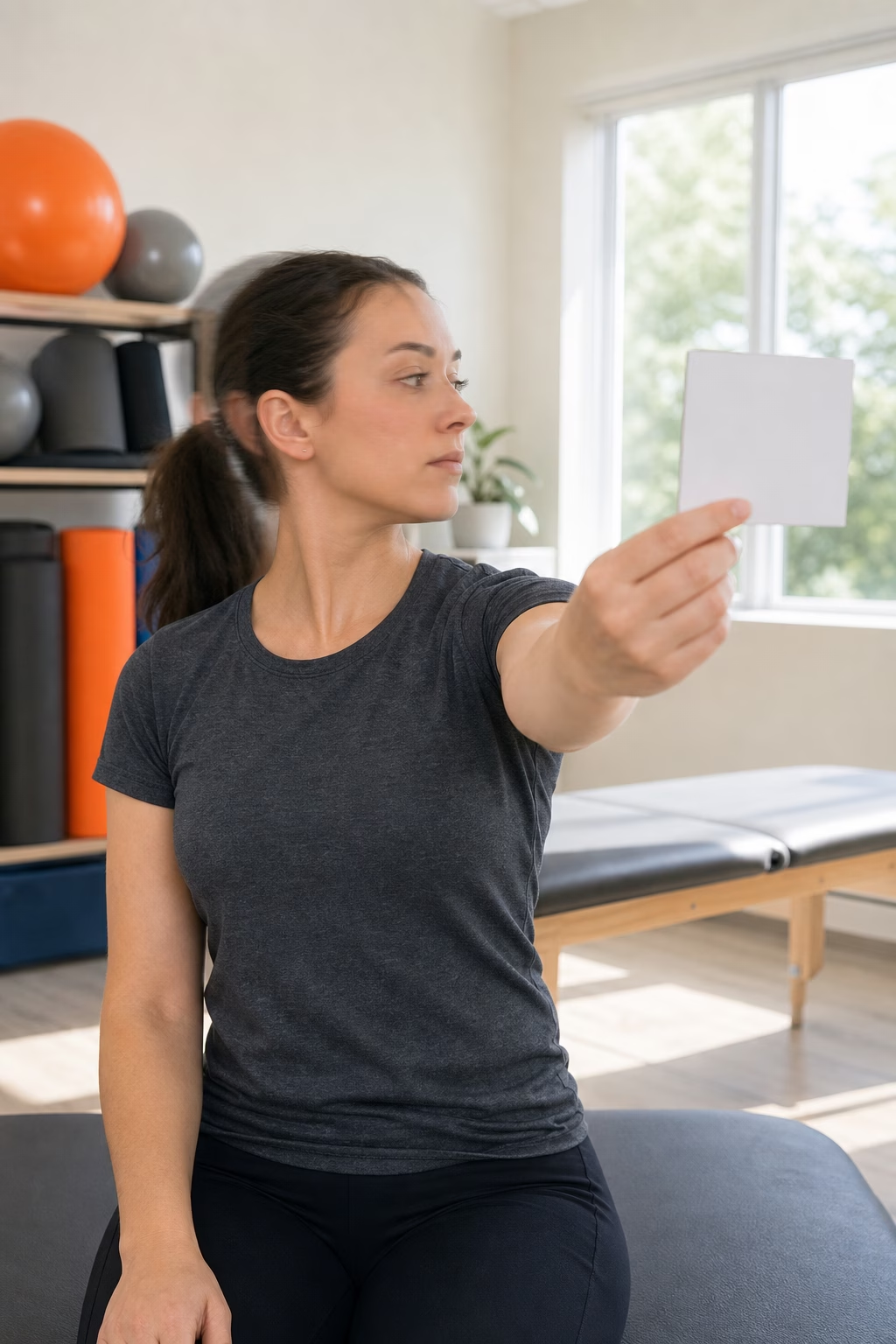
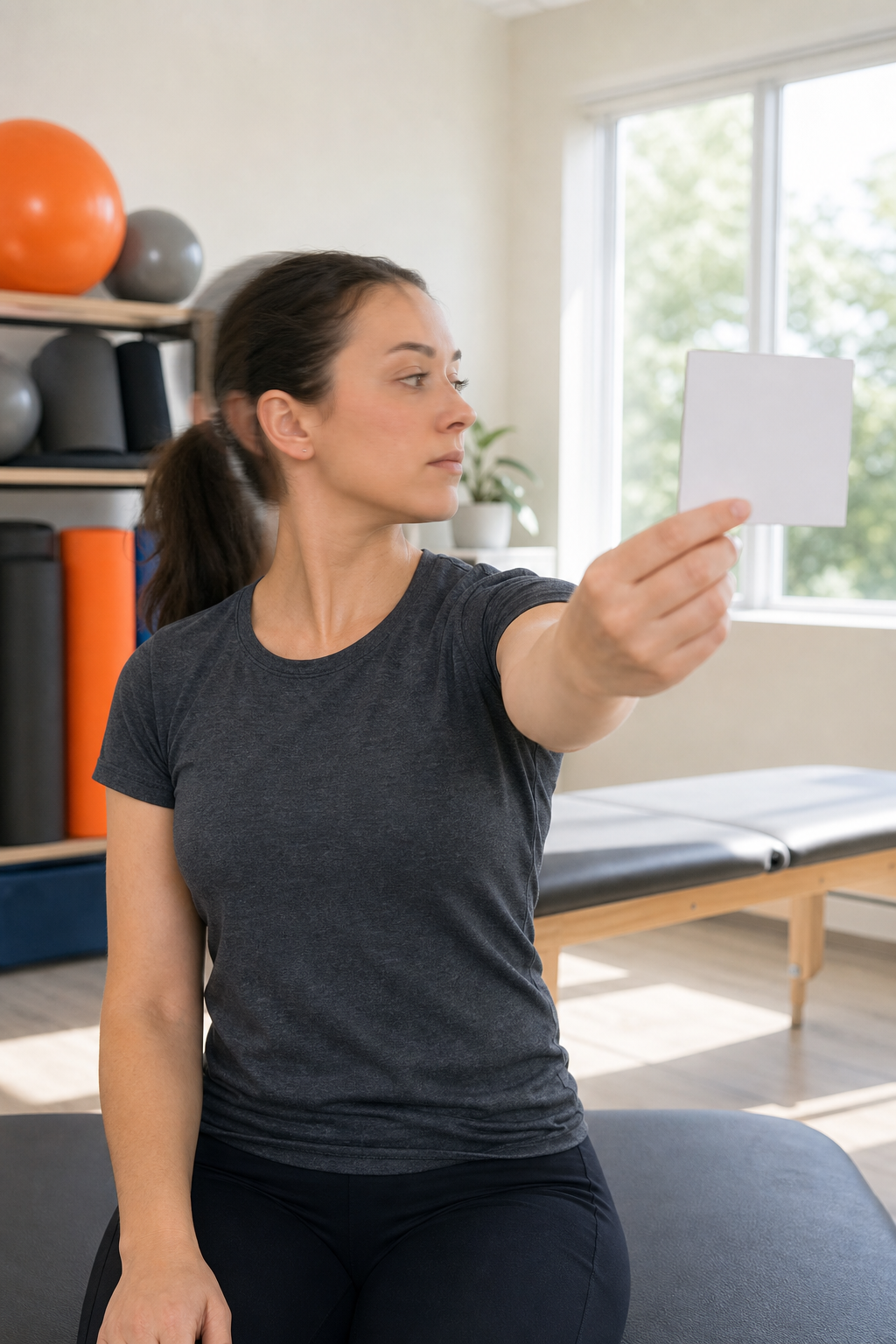
Gaze‑stability work focuses on keeping the world clear while the head turns. One classic move is the head‑turn gaze stability drill: you fix your eyes on a card and move your head side‑to‑side, aiming for smooth vision. Doing this four to five times a day for a few minutes each session can boost VOR gain, the metric that measures how well eye movements match head motion. research on VRT protocols shows noticeable improvement after eight weeks of regular practice.
Other drills include:
- Head‑trunk turn , rotate the torso and head together while keeping focus on a target.
- Optokinetic training , stare at a moving visual pattern to stimulate the VOR without moving the head.
- Imagined earth‑fixed target , picture a stationary point in darkness while you move your head, forcing the system to adapt.
Each exercise follows a simple rule: move enough to create a mild, tolerable sense of motion‑induced blur, then repeat. Over time the brain learns to dampen that blur, and the world steadies.
Balance and Postural Strategies in VRT
Beyond eye‑head coordination, VRT trains the body’s support systems. The ankle strategy uses small shifts on a firm surface, encouraging the calf muscles to make micro‑adjustments. The hip strategy asks you to stand on a narrow beam or perform heel‑to‑toe walks, which forces the hips and trunk to control sway. The step strategy simulates real‑world trips by practicing quick weight‑shifts and stepping over obstacles.
Practicing these drills on compliant surfaces, foam pads or wobble boards, reduces reliance on vision and sharpens proprioceptive feedback. That shift matters most for older adults who often fall when visual cues are limited.
Who Can Benefit: Conditions Treated with VRT
VRT isn’t just for classic inner‑ear vertigo. It helps anyone whose brain struggles to merge signals from the ears, eyes, and muscles. Common cases include:
- Benign paroxysmal positional vertigo (BPPV) , quick repositioning plus gaze drills.
- Vestibular neuritis , inflammation‑induced dizziness that settles with VOR adaptation.
- Meniere’s disease , episodic vertigo where balance retraining eases daily function.
- Concussion‑related dizziness , the brain’s vestibular pathways are often jolted after head trauma.
- Age‑related balance decline , steady practice can cut fall risk dramatically.
Research from the Concussion Alliance notes that vestibular therapy speeds return‑to‑play for athletes when started within a month of injury. The same principle applies to everyday folks; better balance means more confidence and fewer trips.
What to Expect: Assessment, Sessions, and Progress at Dynamic Balance Physio
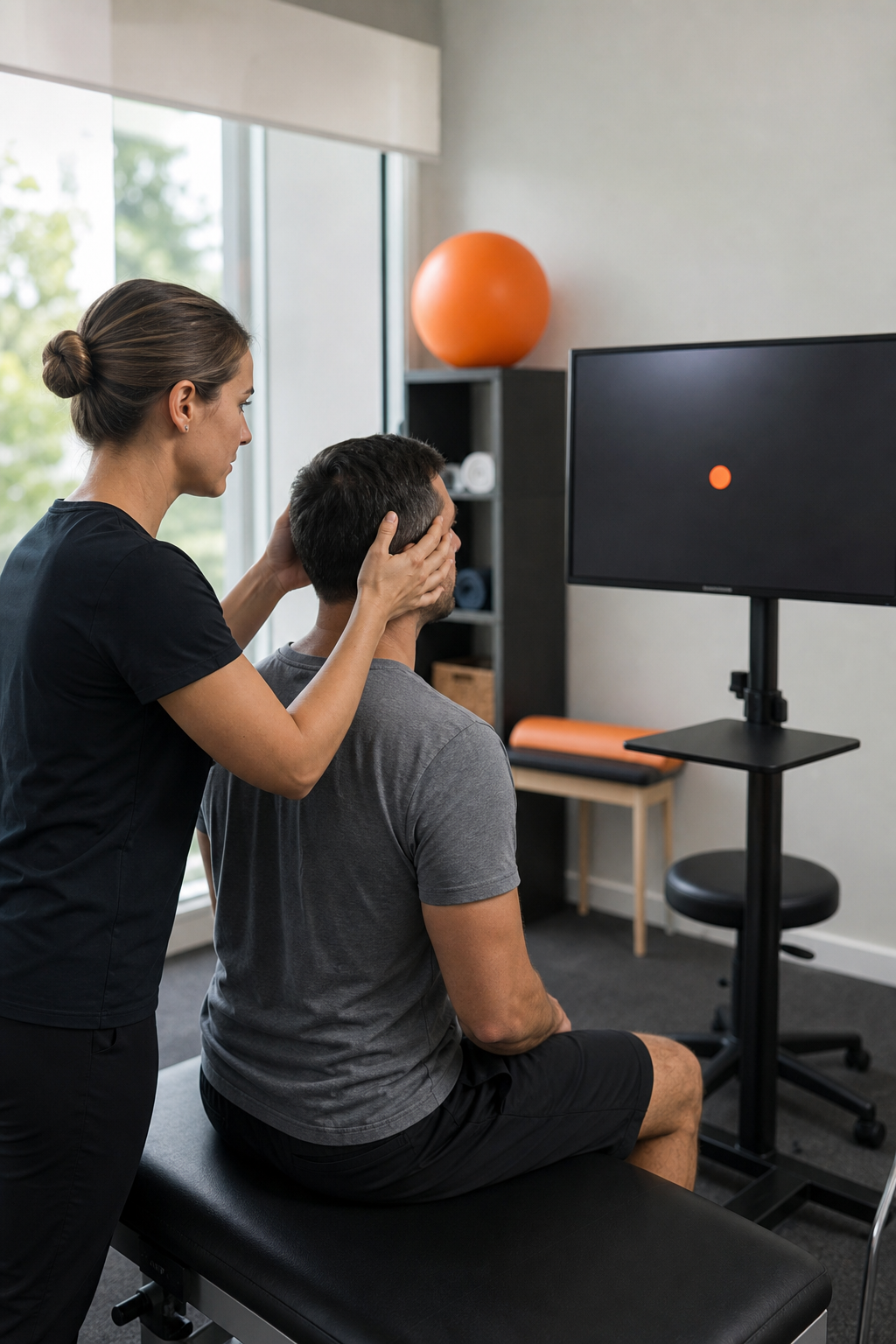
The first visit begins with a vestibular test battery that checks eye movements, head‑impulse responses, and balance on firm versus foam surfaces. Cleveland Clinic’s overview describes these tests as safe and quick, usually fitting into a two‑hour slot.
After the assessment, the therapist designs a personalized program. Typical plans run eight to twelve weeks, with two to three clinic visits per week. Between visits you’ll get a home‑exercise sheet that mirrors the clinic drills , consistency at home drives the biggest gains.
Progress is tracked with the Dizziness Handicap Inventory and functional balance tests like the Timed Up‑and‑Go. Most patients notice reduced spinning within the first few weeks, and steady gait improvements by the halfway point.
FAQ
What does vestibular rehabilitation therapy involve?
VRT involves eye‑head coordination drills, balance‑strategy exercises, and habituation moves that gently provoke symptoms so the brain can adapt. A therapist customizes the mix based on your assessment.
How long does a typical VRT program last?
Most programs span eight to twelve weeks, with two to three clinic sessions per week and daily home exercises that total 20‑40 minutes.
Can I do VRT on my own without a therapist?
Self‑directed VRT is possible, but a qualified therapist ensures the right exercises, dosage, and safety, which greatly improves outcomes.
Is VRT safe for older adults?
Yes. The exercises are graded to match each person’s ability, and the focus on proprioception helps reduce fall risk for seniors.
Will VRT help after a concussion?
Vestibular therapy is a core part of concussion rehab; it re‑trains the brain’s balance system and often speeds symptom resolution.
Do I need special equipment at home?
Most VRT drills need only a card, a chair, and a safe space to stand. Some clinics add foam pads or balance boards for added challenge.
Conclusion
If you’re ready to swap dizziness for steady confidence, start with a professional vestibular assessment. Book an appointment at Dynamic Balance Physio and let the therapist map out a personalized VRT plan.