

Top 10 Physiotherapy Treatments for Vertigo and Dizziness
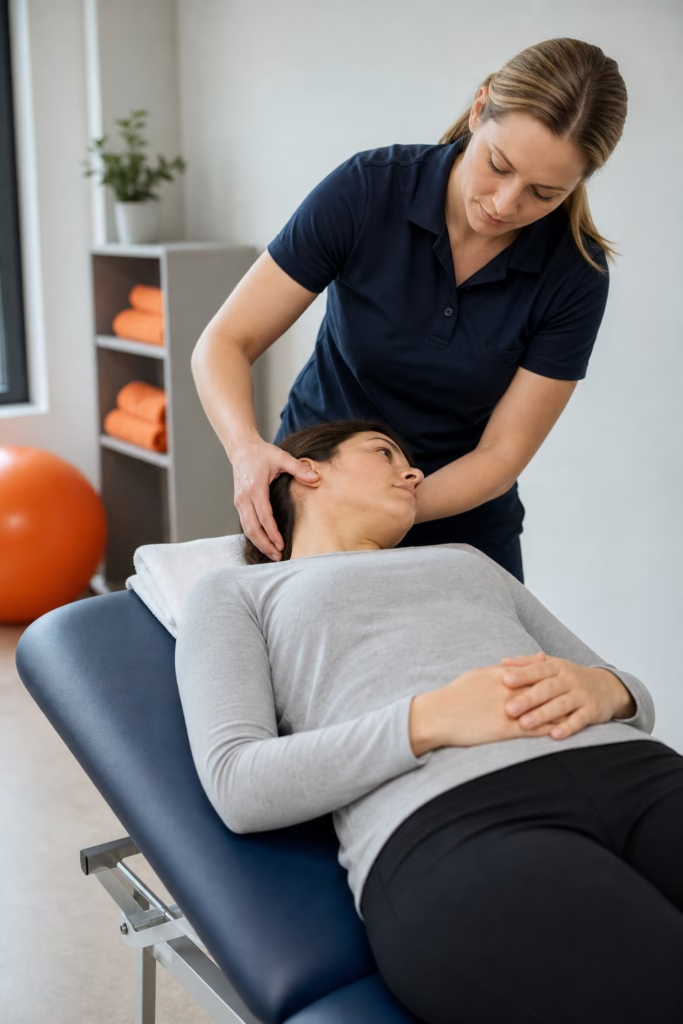
If the room spins every time you turn over in bed, you’re not alone, up to 2.5% of people experience vertigo each year. The good news is that physiotherapy offers proven treatments that can stop the spinning and get you back on your feet. Here are the top 10 physiotherapy treatments for vertigo and dizziness, starting with our top pick.
Table of Contents
- 1. Dynamic Balance Physio (Our Top Pick)
- 2. Canalith Repositioning Maneuvers (Epley Maneuver)
- 3. Dix-Hallpike Test and Diagnostic Evaluation
- 4. Vestibular Habituation Exercises
- 5. Gaze Stabilization Exercises
- 6. Balance Training and Fall Prevention
- 7. Cervicogenic Vertigo Treatment (Neck Strengthening)
- 8. Home Exercise Protocols for Vertigo
- 9. Use of Technology in Vestibular Rehab (VR, Biofeedback)
- 10. Age-Specific Physiotherapy for Older Adults with Vertigo
1. Dynamic Balance Physio (Our Top Pick)
Dynamic Balance Physio is a specialized vestibular rehab clinic in Surrey, BC. They focus on treating vertigo, dizziness, and balance disorders with personalized care.
Best for: Anyone looking for a complete, hands-on approach with a certified vestibular therapist.
At Dynamic Balance Physio, you get a thorough assessment using infrared goggles and positional testing. Their therapist, Biren Patel, has extensive experience with the Epley maneuver and customized exercise programs. Most patients see improvement within a few sessions. Plus, they accept ICBC and Worksafe claims, making it easy if you’ve been in an accident.
But if you’re not in the Surrey area, you’ll need to find a local provider. For those who can visit, it’s a top choice. Learn more about their approach on their vestibular physiotherapy page.
2. Canalith Repositioning Maneuvers (Epley Maneuver)
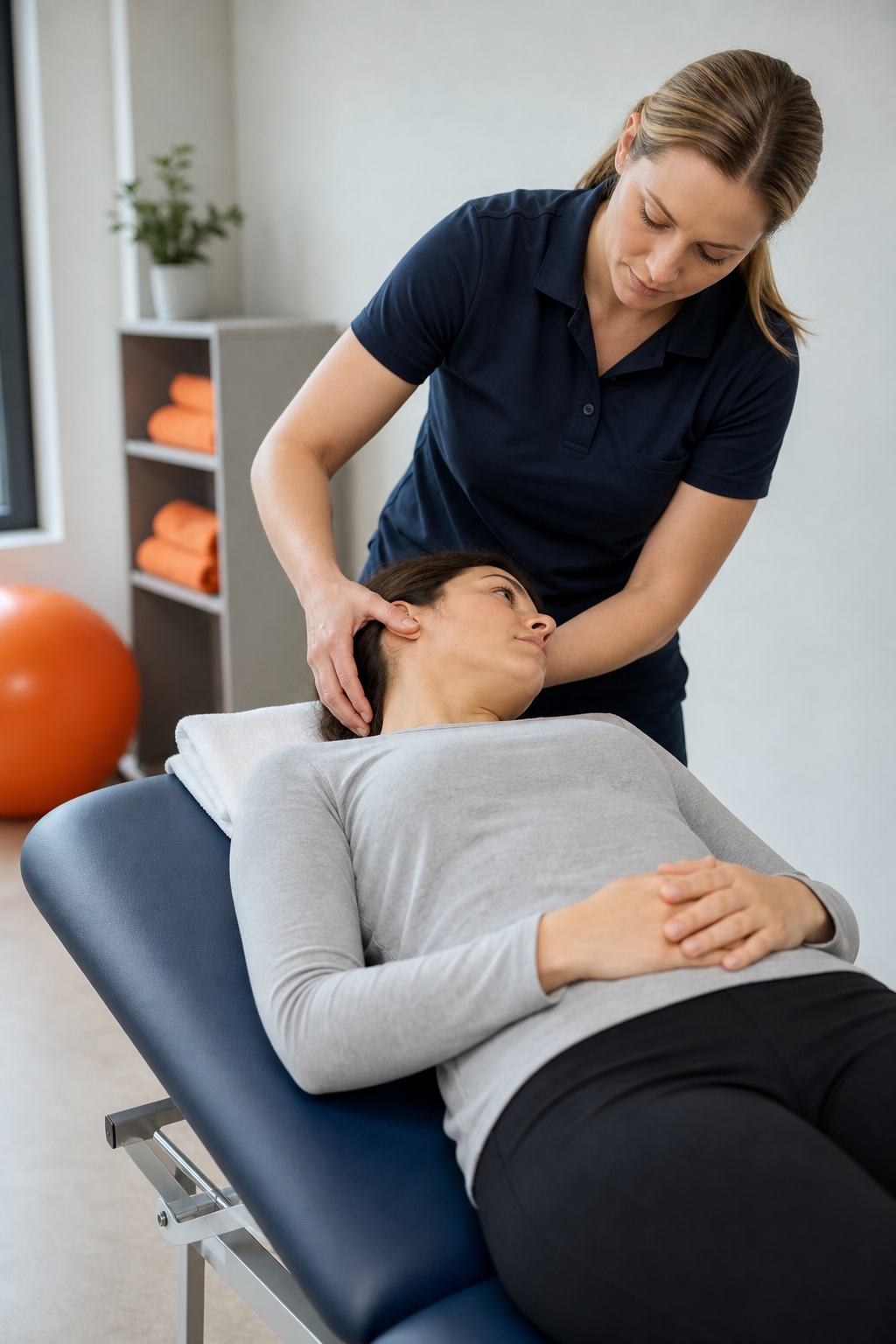 The Epley maneuver is a series of slow head and body movements designed to move loose inner ear crystals out of the semicircular canal. It’s the gold standard for treating benign paroxysmal positional vertigo (BPPV).
Best for: People with classic BPPV triggered by changes in head position (e.g., rolling over in bed).
According to Wikipedia, randomized clinical trials show it works in 80% of cases after one or two sessions. Each position is held for about 30 seconds, and the whole maneuver takes under 2 minutes.
One caveat: it only works for posterior canal BPPV. Anterior or horizontal canal variants require different maneuvers. Also, it’s best performed by a trained therapist, doing it wrong can make symptoms worse.
3. Dix-Hallpike Test and Diagnostic Evaluation
The Dix-Hallpike test is the standard diagnostic maneuver to confirm BPPV. The therapist rapidly turns your head and lays you back, observing for nystagmus (involuntary eye movements).
Best for: Anyone with undiagnosed vertigo to identify the affected ear and canal.
This test is quick but can provoke intense vertigo for a few seconds. That’s normal, it helps pinpoint the exact problem. A positive result tells the therapist which ear to treat with repositioning maneuvers.
But be aware: the Dix-Hallpike can cause severe dizziness, so it should only be done by a qualified professional. If you have neck or back problems, modifications are needed.
4. Vestibular Habituation Exercises
These exercises involve repeated exposure to movements that trigger dizziness, such as bending over or turning the head quickly. Over time, the brain learns to ignore the faulty signals from the inner ear.
Best for: People with motion sensitivity or dizziness that persists after crystal issues are resolved.
Research shows habituation exercises reduce dizziness severity over 2, 6 weeks. They’re a core part of vestibular rehab for conditions like vestibular neuritis.
The downside: you’ll feel dizzier at first. It’s important to start slowly and work with a therapist who can design a safe progression. Don’t try these on your own without guidance.
5. Gaze Stabilization Exercises
These exercises train your eyes to stay focused on a target while moving your head. They improve the vestibulo-ocular reflex (VOR), which is often impaired in vestibular disorders.
Best for: People who experience blurry vision or difficulty reading when moving their head.
A typical exercise is the X1 gaze stabilization: hold a business card in front of you and move your head side to side while keeping the letters clear. Studies from the research show these exercises have moderate evidence for improving visual stability during head motion.
Consistency is key, you need to practice 20, 40 minutes daily for several weeks. Results aren’t instant, but they’re worth it. And it’s boring, so find ways to make it a habit.
6. Balance Training and Fall Prevention
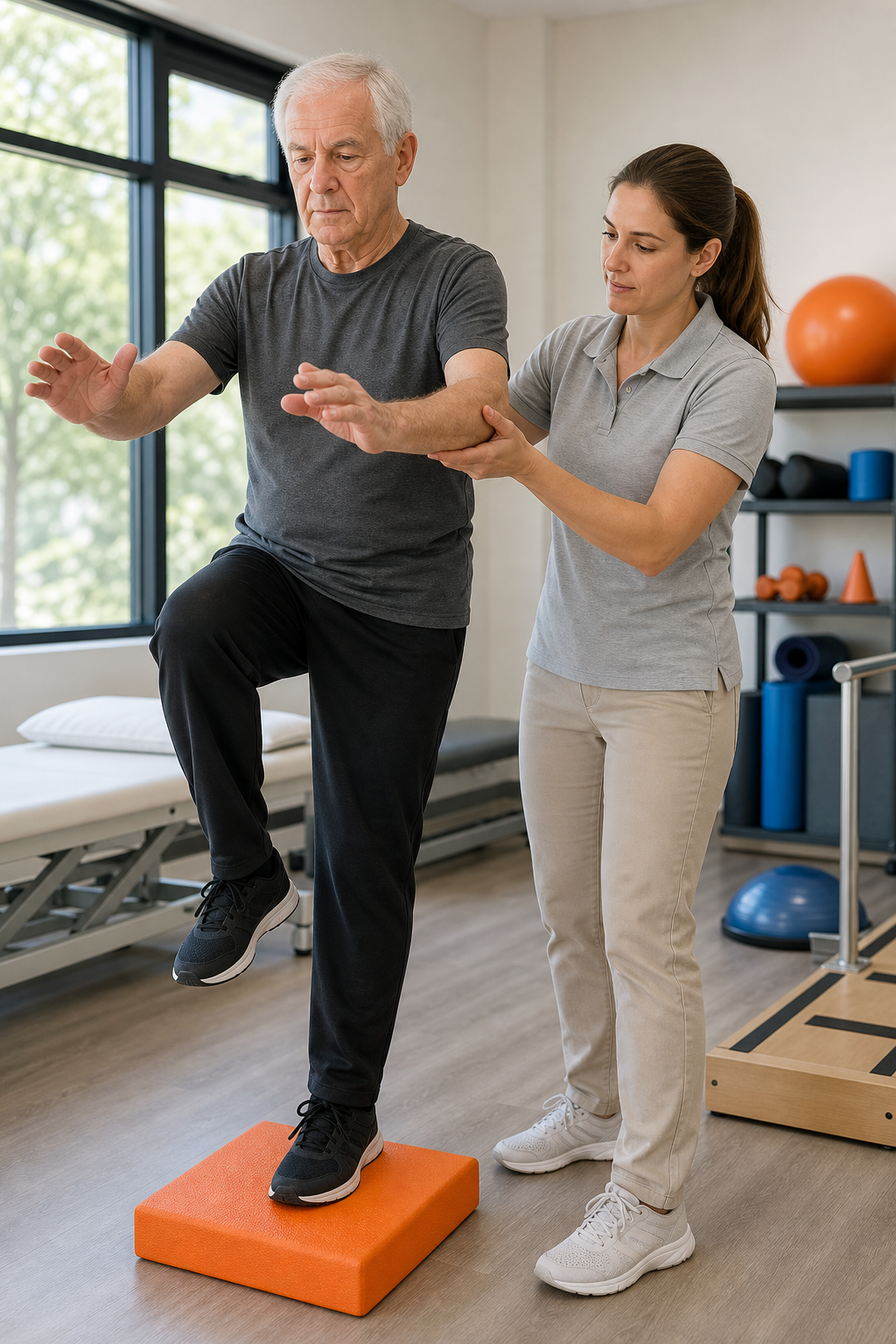 Balance training includes exercises like standing on one leg, walking on uneven surfaces, and using a balance board. It helps retrain the brain to use visual and proprioceptive cues when the vestibular system is compromised.
Best for: Older adults or anyone at high risk of falls due to dizziness.
According to vestibular health experts, fall prevention is a key component of vestibular rehab. Balance training reduces fall risk by improving postural control and confidence.
One limitation: balance exercises don’t directly treat the cause of vertigo, they manage the consequences. They should be combined with other treatments for best results.
7. Cervicogenic Vertigo Treatment (Neck Strengthening)
Neck problems, such as muscle tension or joint dysfunction, can cause dizziness. Treatment includes isometric neck exercises, range-of-motion drills, and manual therapy to reduce tension and improve proprioception.
Best for: People whose dizziness is linked to neck pain or stiffness.
A video from Fauquier ENT demonstrates 10 easy home exercises for cervicogenic vertigo, including head nods and ear-to-shoulder stretches. These are passive range-of-motion and isometric exercises.
But be careful: if dizziness is accompanied by tingling or numbness, stop and consult a spine specialist. Not all dizziness is from the neck, a thorough assessment is important.
8. Home Exercise Protocols for Vertigo
Many vestibular exercises can be done at home after proper instruction. Simple protocols include Brandt-Daroff exercises for BPPV that don’t resolve with the Epley maneuver, or daily gaze stabilization drills.
Best for: People who cannot attend frequent clinic visits but have been taught the exercises by a professional.
However, home exercises have risks. If done incorrectly, they can worsen vertigo or dislodge crystals the wrong way. Always get a green light from a physio first, and start with guidance in the clinic.
9. Use of Technology in Vestibular Rehab (VR, Biofeedback)
Virtual reality (VR) and biofeedback tools create immersive environments where patients perform balance and gaze exercises while receiving real-time feedback.
Best for: People who need more engaging rehab or those not responding to traditional exercises.
A study published in PMC found that VR vestibular rehabilitation was as effective as conventional therapy for peripheral vestibular dysfunction and led to higher patient satisfaction.
The downside is cost and availability. VR headsets and biofeedback platforms aren’t yet common in most clinics. However, as technology improves, it will become more accessible.
10. Age-Specific Physiotherapy for Older Adults with Vertigo
Older adults often have multiple factors contributing to dizziness, age-related vestibular decline, medication side effects, and reduced vision. Physiotherapy tailored for seniors focuses on fall prevention, strength, and balance.
Best for: Adults aged 65+ with chronic dizziness or imbalance.
A systematic review in PMC found that vestibular rehabilitation with moderate quality evidence is superior to usual care for improving balance, mobility, and symptoms in older adults. Tailored programs often include gentle repositioning maneuvers and functional exercises.
But caution: older adults may have comorbidities like osteoporosis or cervical spine issues, so exercises must be modified. A geriatric-trained physiotherapist is ideal.
Frequently Asked Questions
How long does physiotherapy take for vertigo?
For BPPV, repositioning maneuvers often resolve symptoms in 1, 3 sessions. For other causes like vestibular neuritis, you may need 5, 7 weeks of daily exercises. Most people see improvement within a few weeks if they stick with the plan.
Can I do the Epley maneuver at home?
Yes, but only after a professional has shown you the correct technique. Doing it wrong can worsen vertigo or cause neck injury. It’s safest to have a therapist perform it first and then teach you for home use.
Is physiotherapy safe for older adults with vertigo?
Yes, when supervised by a qualified therapist. Exercises are modified for age and health conditions. Balance training and fall prevention are especially important for seniors to reduce fall risk and improve mobility.
What should I expect in a vestibular assessment?
Your therapist will ask about your symptoms and medical history, then perform tests like the Dix-Hallpike, eye movement tracking, balance tests, and gait analysis. The assessment may provoke dizziness temporarily but helps pinpoint the cause.
Does insurance cover vestibular rehabilitation?
Many extended health plans cover physiotherapy, including vestibular rehab. ICBC and Worksafe claims are also accepted at clinics like Dynamic Balance Physio. Check with your provider to confirm coverage for your condition.
Conclusion
Physiotherapy offers a range of effective treatments for vertigo and dizziness, from quick repositioning maneuvers to longer-term balance training. The right approach depends on your specific diagnosis. Dynamic Balance Physio provides expert care with a focus on personalized treatment. If you’re struggling with dizziness, contact them today to schedule an assessment and start your journey to steadiness.