

Dry Needling vs Acupuncture Physiotherapy: 10 Key Differences
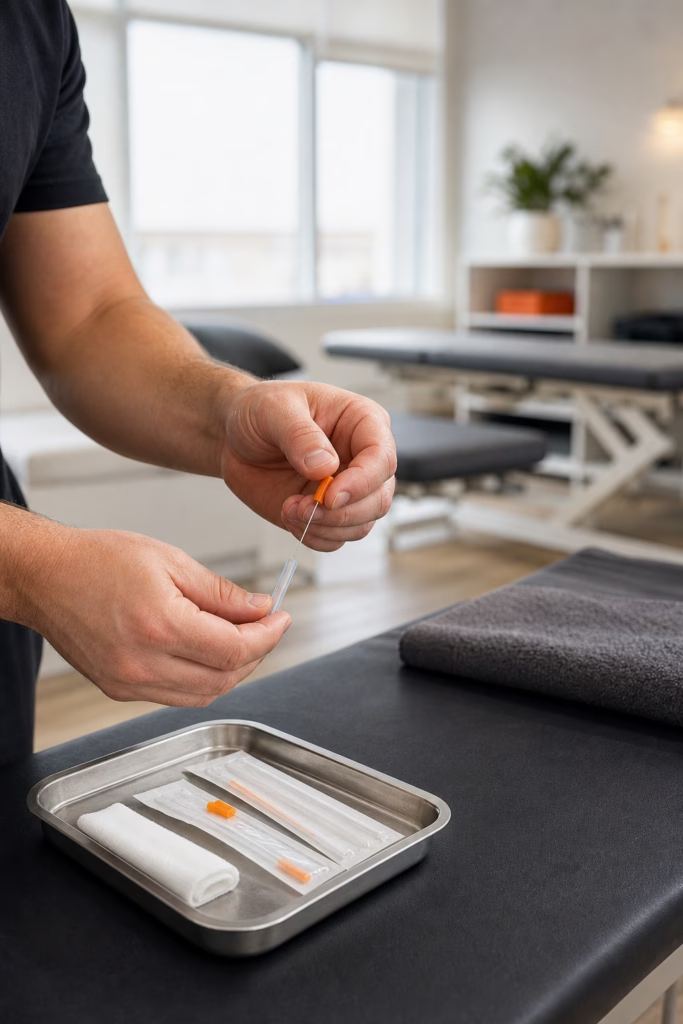
Ever wondered why your therapist might reach for a tiny needle and ask if it’s acupuncture or dry needling? Let’s break down the science, the sensations, and the scenarios where each technique shines, so you can decide which one fits your pain-relief plan. Dynamic Balance Physio specializes in sports and ICBC injuries and offers both modalities, but they’re not the same thing.
Table of Contents
- 1. Dynamic Balance Physio (Our Top Pick)
- 2. Treatment Philosophy: Eastern vs Western Roots
- 3. Mechanism of Action: How Needles Work
- 4. Typical Benefits and Intended Outcomes
- 5. Risks, Side Effects, and Contraindications
- 6. Conditions Treated: Which Modality for Which Injury
- 7. Needle Placement and Sensation
- 8. What to Expect in a Session: Duration and Pain Level
- 9. Historical Background and Regulatory Landscape
- 10. Cost, Insurance, and Integration with Physical Therapy
- Frequently Asked Questions
- Conclusion
1. Dynamic Balance Physio (Our Top Pick)
When you need someone who actually puts dry needling into a complete recovery plan, Dynamic Balance Physio is the obvious choice. They combine trigger point dry needling with hands-on manual therapy and prescribed exercise, not just needles. Their team is trained in IMS (Intramuscular Stimulation) dry needling, which targets deep muscle knots that cause referred pain.
 What sets them apart is insurance coverage. Most dry needling isn’t covered, but Dynamic Balance Physio is explicitly covered by ICBC for sports and workplace injuries. That means you get the treatment without the out-of-pocket headache. They also integrate needling into broader rehab, so you’re not just getting poked, you’re getting a plan.
If you’re an athlete, a weekend warrior, or someone dealing with a stubborn muscle knot, they’re your best bet. Their dry needling page explains exactly what to expect. One caveat: they focus on musculoskeletal issues, not systemic conditions like insomnia or digestive trouble, that’s where acupuncture steps in.
2. Treatment Philosophy: Eastern vs Western Roots
Acupuncture comes from Traditional Chinese Medicine, dating back over 2,000 years. It aims to restore the flow ofqi(energy) through pathways called meridians. Dry needling, on the other hand, is pure Western anatomy. It was developed in the 1940s and focuses on releasing myofascial trigger points, those tight bands you can feel as knots.
An acupuncturist might place needles far from your pain, like in your foot for a headache. A dry needling practitioner goes directly into the tight muscle. This philosophical difference affects everything from needle placement to session duration. Choose acupuncture if you want a whole-body, energy-based approach. Choose dry needling if you want a mechanical fix for a specific muscle problem.
3. Mechanism of Action: How Needles Work
Both therapies use thin filiform needles, but they target different tissues. Dry needling inserts the needle into a trigger point to provoke a local twitch response, a sudden contraction followed by relaxation. This twitch increases blood flow and resets the muscle’s electrical activity. Acupuncture needles stimulate nerve endings at specific points, releasing endorphins and modulating the central nervous system.
The evidence for dry needling is still limited, only one high-quality RCT exists, while acupuncture’s evidence is strongest for chronic pain, according to Cleveland Clinic.
4. Typical Benefits and Intended Outcomes
Dry needling is great for releasing muscle tension, reducing pain, and improving range of motion, especially for neck, shoulder, and back issues. Patients often feel immediate relief after a twitch response. Acupuncture treats a wider range: chronic pain, migraines, stress, nausea, digestive issues, and even fertility. It’s more of a systemic reset.
If you have a specific muscle knot that won’t budge, dry needling is your friend. If you have widespread pain or a condition like fibromyalgia, acupuncture might do more. Both can reduce pain medication use. A 2023 review in Medical Acupuncture found that both modalities effectively treat myofascial pain, but their mechanisms differ.
5. Risks, Side Effects, and Contraindications
Both are generally safe when done by a trained professional. Common side effects include mild soreness, bruising, and temporary fatigue. With dry needling, you might feel more intense post-treatment soreness, some describe it as a ‘good hurt’. Serious complications like pneumothorax are very rare but possible with deep needling near the chest.
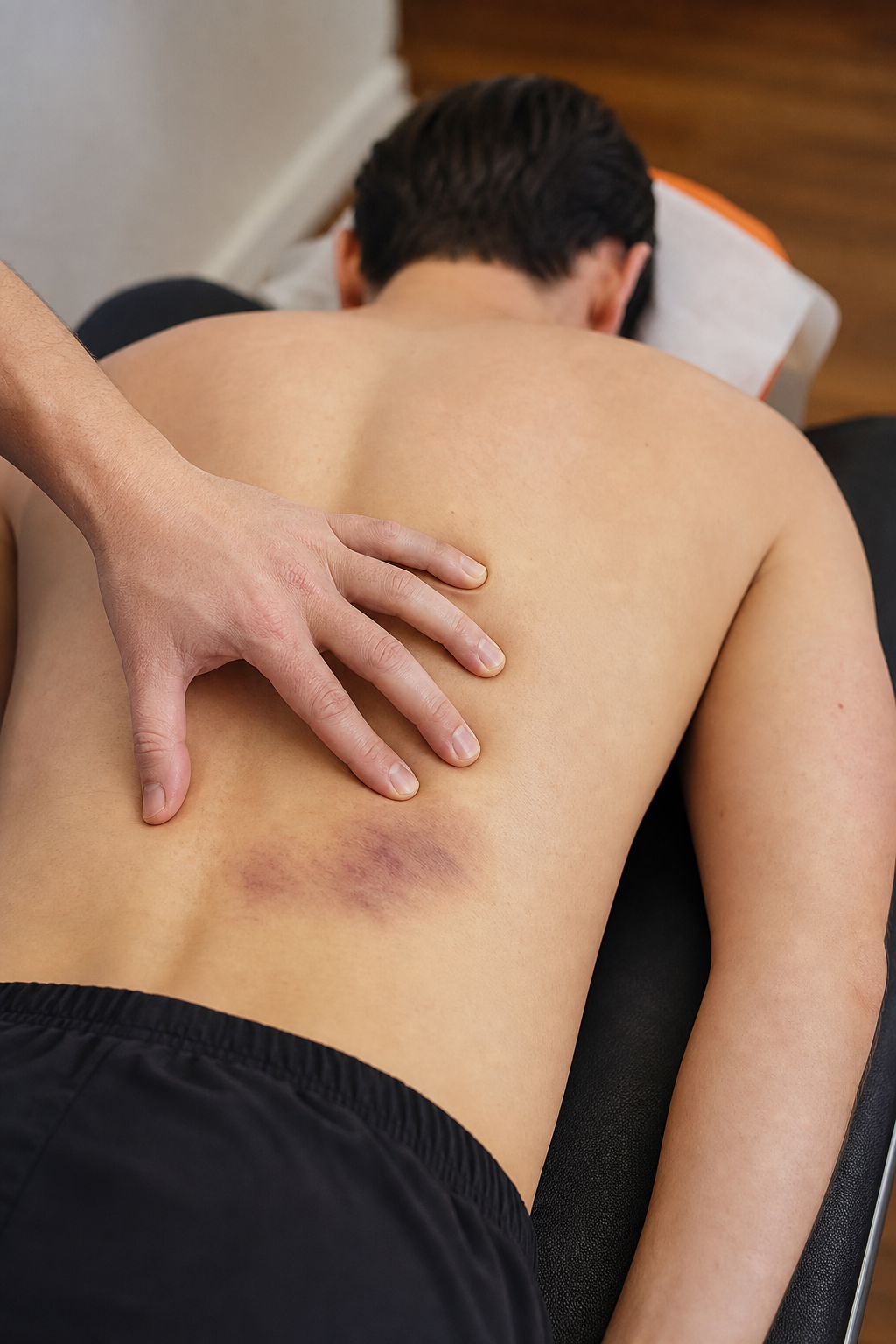 Contraindications include needle phobia, blood thinners (consult your doctor), local infections, and lymphoedema. Acupuncture has similar risks but is generally even safer because needles are placed more superficially. Always choose a licensed practitioner, your safety depends on their knowledge of anatomy.
6. Conditions Treated: Which Modality for Which Injury
Dry needling tackles musculoskeletal problems: neck pain, shoulder tightness, plantar fasciitis, IT-band syndrome, tension headaches, and low back pain. Acupuncture covers those plus more: digestive issues, anxiety, insomnia, allergies, and nausea from chemotherapy or pregnancy.
For sports injuries like a hamstring strain or rotator cuff issue, dry needling is the go-to. For a chronic tension headache that won’t quit, either could work, but acupuncture has stronger research for headache disorders. Dynamic Balance Physio uses dry needling as part of a larger sports injury program, they don’t treat systemic conditions, so if you need whole-body balancing, find a licensed acupuncturist.
7. Needle Placement and Sensation
In dry needling, the needle goes directly into the trigger point within a muscle. You may feel a quick twitch or cramp, that’s the local twitch response, a sign the muscle is releasing. Needles are often pistoned in and out for a few seconds to a minute. In acupuncture, needles are inserted at meridian points, usually left in place for 10, 20 minutes, and you might feel a dull ache or tingling calledde qi.
Most patients report they don’t feel the needle penetrate the skin in either therapy, it’s the deeper sensation that differs. Dry needling is more intense but brief; acupuncture is milder but longer. The twitch response is a positive sign that the desired tissue is being affected.
8. What to Expect in a Session: Duration and Pain Level
A dry needling session can be as short as 5, 15 minutes because needles are removed quickly. You’ll likely walk out with some soreness that peaks the next day, then fades. Acupuncture sessions usually last 30, 60 minutes with needles left in, and the experience is often described as relaxing, some people even fall asleep.
Pain level: dry needling is more uncomfortable during the procedure due to the twitch response, but the relief afterward can be dramatic. Acupuncture is generally painless beyond a tiny prick. If you’re needle-phobic, acupuncture is easier to tolerate. But if you want a quick, targeted fix for a muscle knot, dry needling’s momentary discomfort is worth it.
9. Historical Background and Regulatory Landscape
Acupuncture has at least 2,000 years of history. Dry needling is a modern technique from the 1940s, popularized in the 1980s by Drs. Travell and Simons. The regulatory landscape for dry needling is messy: in some states only acupuncturists can perform it; in others, physical therapists can after specialized training.
Acupuncture is regulated almost everywhere with licensing exams. Dry needling’s legality varies by state and province. In British Columbia, physiotherapists with IMS training can perform it, and Dynamic Balance Physio’s team holds that training. Always confirm your practitioner’s credentials.
10. Cost, Insurance, and Integration with Physical Therapy
Pricing for dry needling is available upon request. Acupuncture rates are also quoted per session. Insurance coverage differs: some plans cover acupuncture for specific conditions; dry needling is less likely to be covered, but Dynamic Balance Physio is an exception with ICBC coverage for motor vehicle accidents and workplace injuries.
Dry needling is almost always part of a broader physical therapy program, you’ll get exercises and manual therapy too. Acupuncture can be a standalone treatment. If you’re using dry needling for a sports injury through ICBC, you pay nothing out-of-pocket at Dynamic Balance Physio. For non-covered cases, look for package deals or ask about sliding scale fees.
Frequently Asked Questions
Is dry needling the same as acupuncture?
No. They both use thin needles, but the philosophy, placement, duration, and goals are different. Dry needling targets muscle trigger points using Western anatomy; acupuncture follows meridian theory from Traditional Chinese Medicine to balance energy.
Which is better for back pain: dry needling or acupuncture?
For acute muscle-related back pain, dry needling often works faster because it directly releases trigger points. For chronic or systemic back pain, acupuncture may be more effective due to its broader neurological effects. Many patients try both.
Can a physiotherapist perform dry needling?
Yes, in many places. Physical therapists can perform dry needling after completing specific training and certification. For example, Dynamic Balance Physio’s team is trained in IMS dry needling. Always check local regulations and practitioner qualifications.
Does dry needling hurt more than acupuncture?
Generally, yes. Dry needling often causes a brief, intense muscle twitch that can be uncomfortable. Acupuncture is usually milder, patients report tingling or warmth. The dry needling discomfort is temporary, and many find the relief worth it.
How many sessions of dry needling are needed?
Most people see improvement in 3, 6 sessions. For acute injuries, 1, 2 sessions may be enough. Chronic conditions may require ongoing maintenance. A physiotherapist will reassess after each session and adjust the plan.
Is dry needling covered by insurance in Canada?
It depends on the insurer. ICBC covers dry needling for motor vehicle accident injuries when performed by a registered physiotherapist. Some extended health plans also cover it. Dynamic Balance Physio accepts ICBC, making dry needling accessible for eligible patients.
Conclusion
Dry needling and acupuncture aren’t rivals, they’re tools for different jobs. If you’ve got a stubborn muscle knot from a sports injury or car accident, dry needling with Dynamic Balance Physio is your smartest move, especially when ICBC covers the bill. For whole-body issues like chronic pain or stress, acupuncture is worth a visit. Either way, talk to a practitioner who can match the technique to your specific problem. Book a consultation to see which approach fits your recovery.