

Physiotherapy Exercises for Knee Pain – Step‑by‑Step Guide
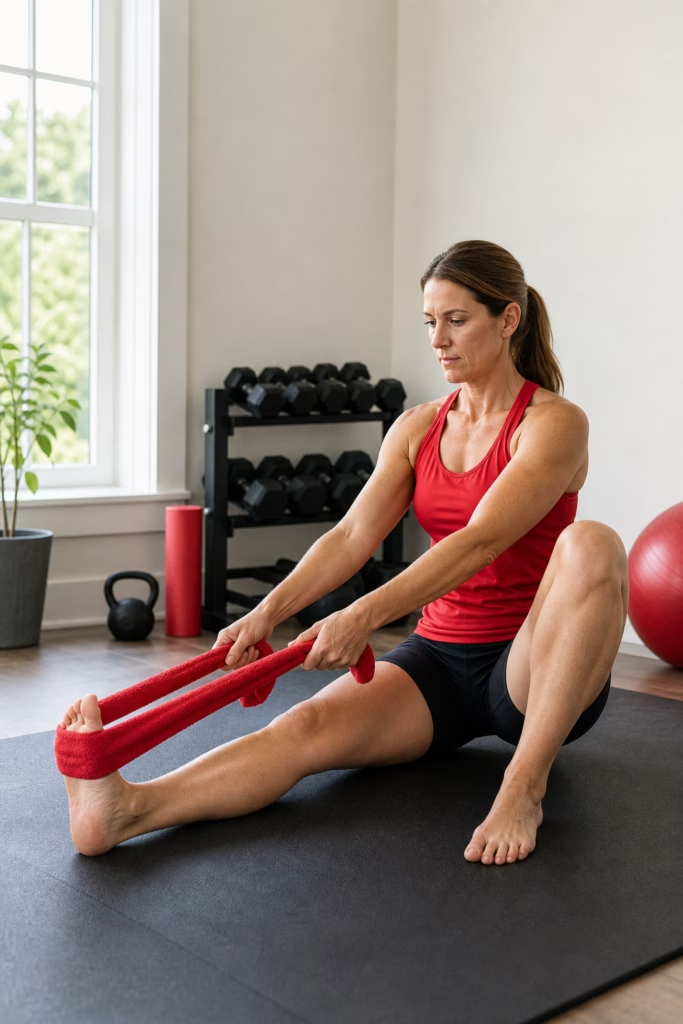
If you’re looking for physiotherapy exercises for knee pain, knee pain can keep you from walking, playing, or even getting out of a chair. The good news is you can start easing it at home with the right moves. Below is a usable step‑by‑step plan that walks you through assessment, warm‑up, strengthening, stretching, and long‑term maintenance.
⚠️ Disclaimer: The exercises and advice provided here are for informational purposes only. Always consult a licensed physiotherapist before starting any new exercise program, especially if you experience sharp pain or have a medical condition. If you have severe knee pain or suspect a serious injury, seek professional medical evaluation.
Step 1: Assess Your Knee Pain
First, figure out what’s hurting. Ask yourself where the ache sits , front, side, back, or deep inside the joint , and note when it flares up. Does it worsen after climbing stairs, sitting too long, or after a sport? Jot down the intensity on a 0‑10 scale; a rating above 5 usually means you need professional input.
Next, watch how you move. Try a simple squat or step‑up and see if any grinding, buckling, or sharp pain appears. A quick self‑check can reveal whether the issue stems from weak muscles, tight tissues, or joint irritation.
It’s wise to compare your notes with basic anatomy. The knee is a hinge that links the femur, tibia, and patella, surrounded by ligaments and cartilage that absorb shock (Wikipedia). Understanding this layout helps you target the right structures.
Finally, schedule a brief visit with a licensed physiotherapist. They can run specific tests , like the patellar glide or hamstring stretch , to pinpoint the cause and rule out serious injuries. Early professional guidance keeps you from over‑doing exercises that might worsen the problem.
By now you should have a clear picture of your pain pattern and know whether a therapist’s evaluation is needed.
Step 2: Warm‑Up and Mobility Drills
A solid warm‑up wakes up the muscles and joints, making them ready for work. Start with five to ten minutes of low‑impact cardio , a gentle walk, a few minutes on a stationary bike, or marching in place. This raises blood flow and lubricates the joint.
Follow the cardio with dynamic stretches that move the knee through its full range. Try a seated heel‑slide: sit on a chair, loop a towel around the foot, and slide the foot toward the chair while keeping the heel on the floor. This opens the quadriceps and mimics the motion of straightening the knee.
Next, perform a standing hip‑flexor march. Lift one knee toward the chest, hold for a second, then lower and switch sides. This warms the hip flexors that help control knee tracking.
Finish with a gentle ankle circle to improve lower‑leg mobility, which indirectly supports knee alignment.
Pro Tip: Keep the movements pain‑free. If any drill hurts, back off a bit and stay within a comfortable range.
For evidence‑based warm‑up guidelines, health organizations recommend at least five minutes of moderate activity before stretching.
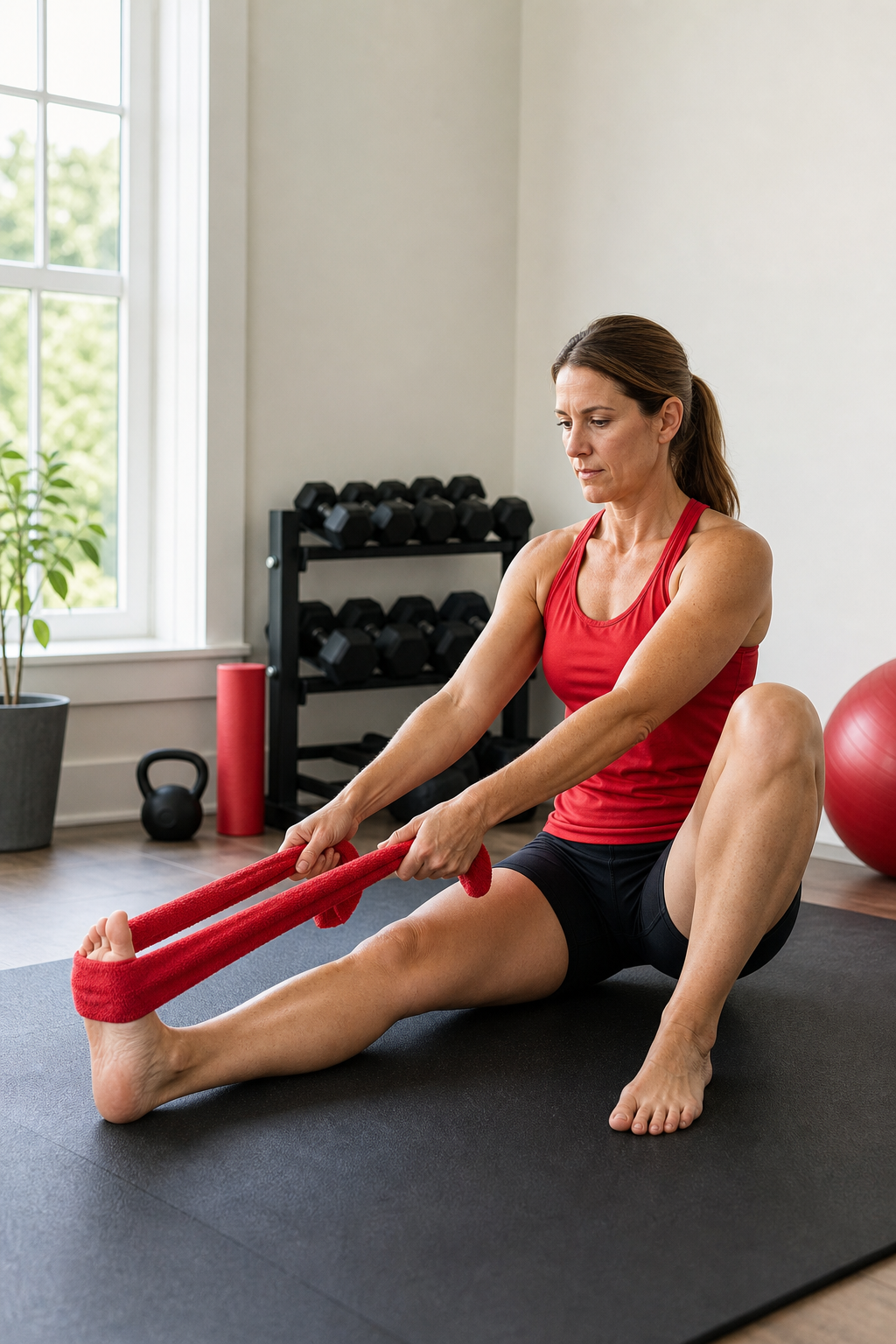
By the end of this stage you should feel a mild warmth in the legs and notice smoother knee motion.
Step 3: Strengthening Exercises
Strength is the backbone of knee health. Strong quadriceps, hamstrings, glutes, and calves keep the joint stable during daily tasks.
Start with straight‑leg raises. Lie on your back, keep one leg flat on the floor, and lift the other a few inches while tightening the thigh. Hold for two seconds, then lower. Aim for two to three sets of ten reps per leg.
Move to seated knee extensions. Sit on a chair, hook a light ankle weight around the ankle, and straighten the knee against gravity. Control the return. Two sets of eight to twelve reps work well.
Next, try mini‑squats. Stand with feet hip‑width apart, lower a few inches as if sitting back into a chair, keeping knees behind toes. Push through the heels to rise. Begin with two sets of ten, adding a few reps each week as strength builds.
Finish with a standing calf raise. Rise onto the balls of your feet, then slowly lower. This reinforces the calf‑Achilles complex that supports the knee.
When you feel ready, add a light resistance band around the thighs for side‑step walks. This fires the hip abductors that keep the knee from drifting inward.
Watch the video below for a visual guide to the straight‑leg raise and seated knee extension:
By now you should have a basic strength base that feels stable but not sore.
Step 4: Stretching and Flexibility
Stretching balances the strengthening work and restores full motion. Tight muscles can pull the kneecap out of alignment, leading to pain.
Begin with a standing quadriceps stretch. Grab the ankle behind you, pull the heel toward the buttocks, and keep knees close together. Hold for 20‑30 seconds, then switch sides.
Follow with a hamstring stretch. Sit on the floor, extend one leg, and reach toward the toes while keeping the back straight. Feel the pull along the back of the thigh, hold, then repeat.
Next, do a calf stretch against a wall. Place hands on the wall, step one foot back, press the heel down, and lean forward. Hold for 20 seconds, then swap legs.
Finish with a gentle hip‑flexor stretch: kneel on one knee, push hips forward, and feel a stretch at the front of the hip. This opens the hip capsule, which supports knee tracking.
According to Wikipedia, consistent flexibility work can improve joint range and reduce pain, especially when paired with strength training.
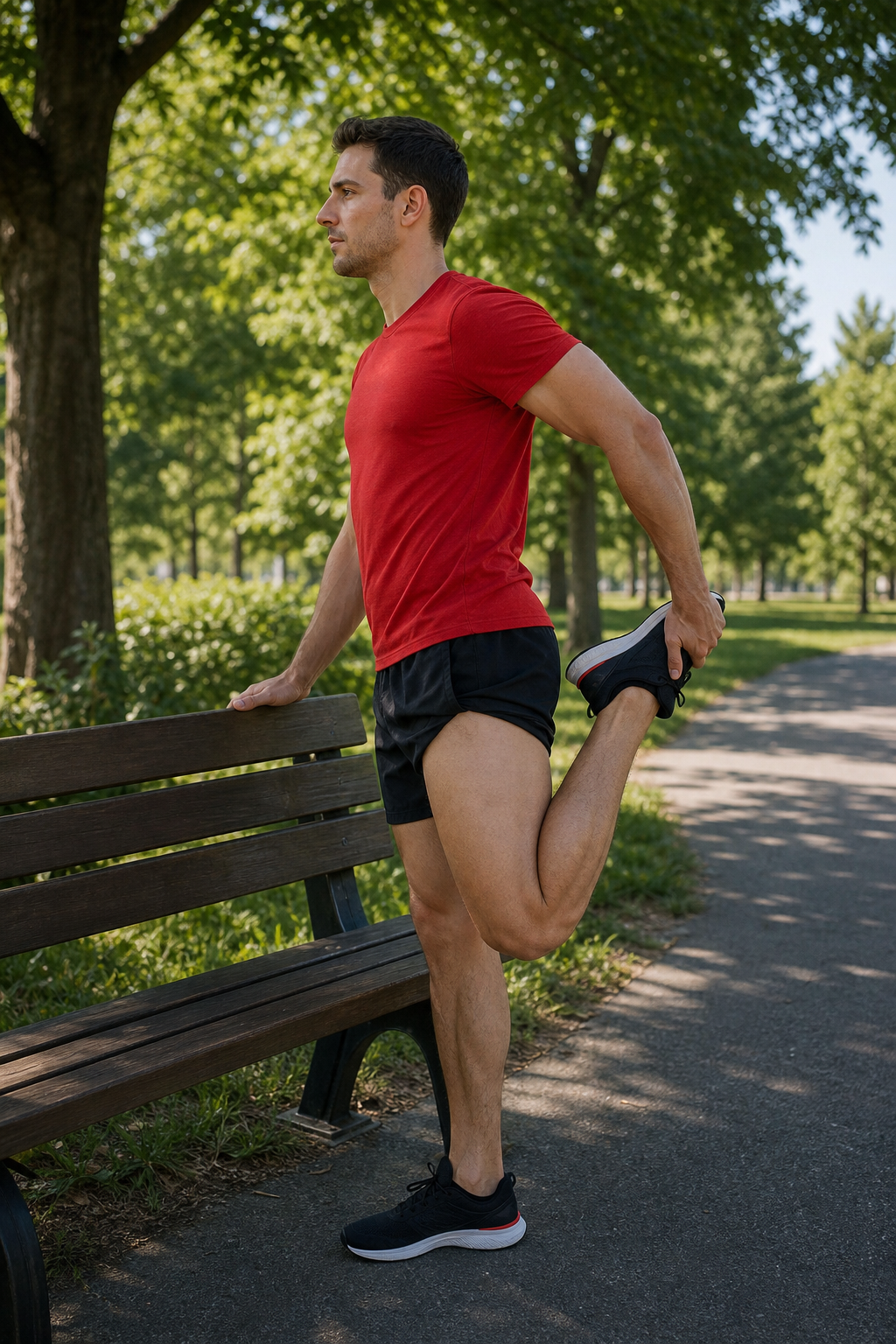
After these stretches you should notice a smoother bend and less tightness.
Step 5: Progression and Maintenance
Recovery doesn’t stop once you can move pain‑free. To keep knees strong, slowly increase the challenge.
Every two weeks, add a few reps to each strengthening move or add a light weight. For example, progress to using a small handheld weight for knee extensions.
Swap static holds for dynamic moves. Replace a straight‑leg raise with a marching variation that adds a small hop at the top.
Incorporate functional activities like step‑ups onto a low platform or short, controlled lunges. These mimic real‑life tasks and keep the muscles ready for daily demands.
Maintain a daily mobility routine. A quick 5‑minute stretch session in the morning and evening keeps muscles supple.
Track progress with a simple log: note pain level, reps, and any new exercises added. If pain spikes above a 3 on your scale, pull back the intensity and revisit the earlier steps.
Consistent effort over weeks builds resilient knees that can handle walks, stairs, and sports without flare‑ups.
FAQ
How often should I do knee physiotherapy exercises?
Aim for three sessions per week, spacing them out to give muscles time to recover. Even a short 15‑minute routine can be effective if done consistently.
Can I do these exercises if I have arthritis?
Yes, but start with low‑impact moves and keep resistance light. Focus on gentle range‑of‑motion work and avoid high‑load strengthening until pain is under control.
What if an exercise hurts?
If you feel sharp or worsening pain, stop the movement immediately and consult a physiotherapist. Mild muscle soreness is normal, but sharp pain signals that the load is too high or the form is off.
Do I need equipment for these routines?
Most of the moves use body weight or simple items like a towel or a chair. As you progress, a resistance band or a light weight can add challenge.
How long before I see improvement?
Many people notice reduced stiffness and pain within two to four weeks of regular practice. Full strength gains may take 8‑12 weeks, depending on the starting point.
Conclusion
Start with a clear assessment, warm up gently, build strength, add flexibility, then keep advancing the load. This systematic approach lets you regain knee function safely.
Ready for a personalized plan? Explore the full range of knee‑pain physiotherapy options at Dynamic Balance Physio and set up a session that matches your goals.