

Got into a fender‑bender and your neck feels like a rubber band? You don’t have to sit in pain for weeks. Below are the ten proven ways to treat whiplash after a car accident, and who each works best for.
1. Dynamic Balance Physio (Our Top Pick) , Complete Whiplash Rehab
Dynamic Balance Physio provides a personalized rehab program that starts in the acute phase and moves into targeted strength work. The clinic’s licensed physiotherapists assess your injury, create a custom exercise plan, and use manual therapy to improve blood flow and tissue healing.
Early, active physiotherapy has the strongest evidence for speeding recovery, especially in the first two weeks when the body is still inflamed.
Because the team tracks progress with objective measures, you get clear milestones , from regaining range of motion to returning to work.
One caveat: the program requires regular visits, so it may not fit a tight schedule.
Key Takeaway: Active, therapist‑guided rehab beats passive rest for most whiplash cases.
2. Rest & Ice Therapy , Simple At-Home Relief
Rest doesn’t mean staying in bed all day; it means avoiding movements that spike pain while you let inflammation settle.
Apply an ice pack for 15 minutes every 2–3 hours during the first 48‑72 hours. The cold constricts blood vessels, which reduces swelling and dulls nerve signals. It is often recommended to continue this schedule for up to ten days.
After swelling goes down, switch to gentle heat for 15 minutes to boost circulation and loosen stiff muscles.
Watch your posture while you rest , slouching can lock the neck in a bad position.
Be careful not to over‑ice; skin damage can occur if you leave the pack on too long.
 3. Over-the-Counter Pain Relief , Quick Symptom Management
OTC meds like ibuprofen or other non‑prescription NSAIDs cut both pain and inflammation. They’re easy to get and work within an hour.
Take the lowest effective dose and follow the label , higher doses raise the risk of stomach irritation.
Acetaminophen helps with pain but does not reduce swelling, so combine it with an NSAID only if your doctor says it’s safe.
People with ulcers or blood‑thiners should avoid NSAIDs and talk to a clinician first.
OTC meds are a bridge; they won’t fix the underlying tissue damage.
4. Prescription Medications , Targeted Anti‑Inflammatory Care
When OTCs aren’t enough, a doctor may prescribe stronger NSAIDs, muscle relaxers, or short courses of opioids.
Prescription NSAIDs can provide longer‑lasting relief for moderate inflammation.
Muscle relaxants can ease spasms that keep the neck stiff.
Opioids are reserved for severe acute pain and should be tapered quickly to avoid dependence.
Always discuss side‑effects and interactions , especially if you have high blood pressure or liver issues.
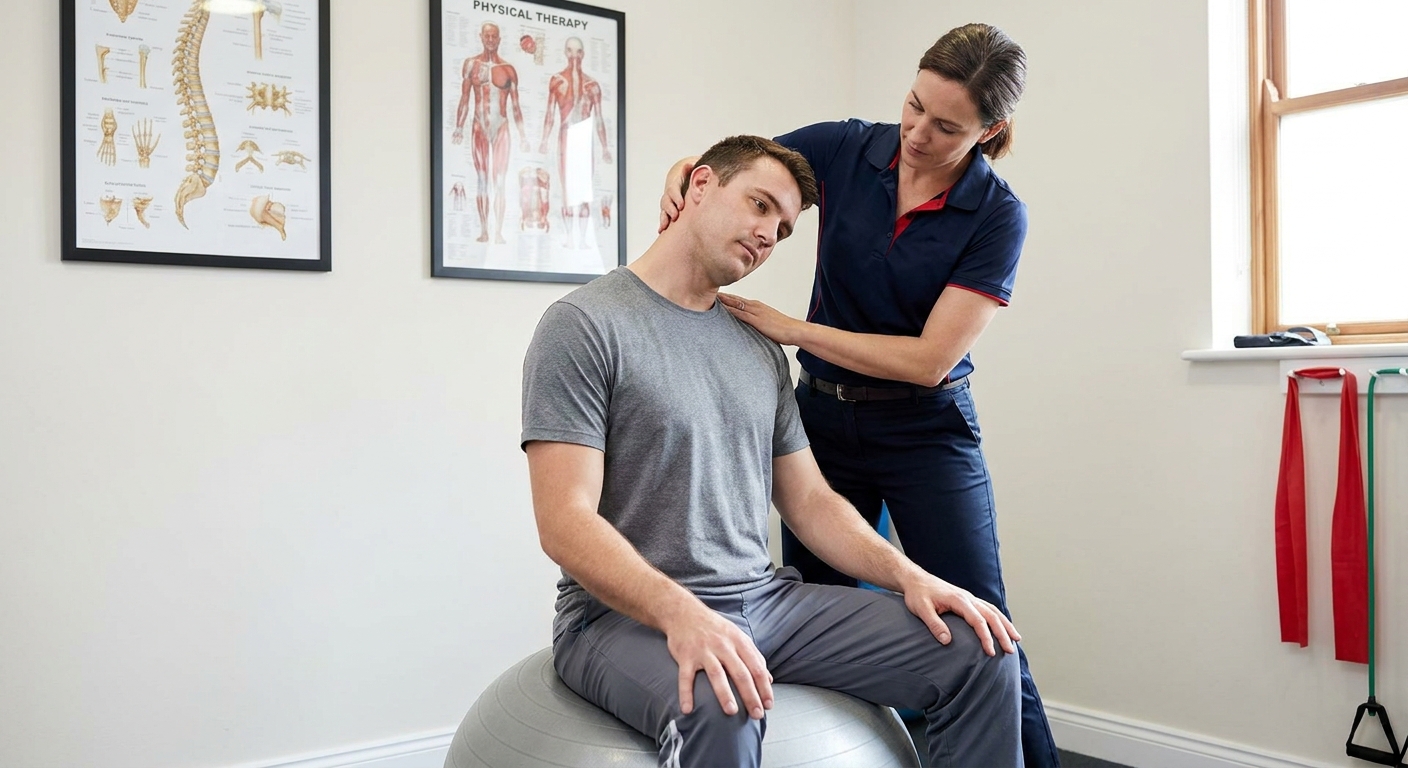
5. Professional Physical Therapy , Structured Recovery
Physical therapists design graded exercise programs that restore mobility without over‑loading healing tissue.
Typical sessions include manual mobilization, targeted stretching, and sensorimotor training that teaches your brain to move the neck safely again.
Research indicates that a structured 12‑week therapist‑led program can significantly reduce recovery time compared with home‑only care.
Therapists also educate you on activity pacing , you’ll learn when a slight ache is normal and when you need to back off.
A downside is cost: if your insurance doesn’t cover the full course, out‑of‑pocket fees can add up.
 .
.
6. Support Devices (Cervical Support), Stabilization Aid
A soft cervical collar can limit painful motions while the muscles begin to heal.
Research warns that prolonged use may delay muscle activation and lengthen recovery.
Use the support device only for a few days, then wean off as soon as pain allows.
Combine it with gentle range‑of‑motion exercises to keep the joint from stiffening.
People with severe instability may need a more supportive device prescribed by a specialist.
7. Injections & Interventional Pain Management , Advanced Relief
For stubborn pain, doctors can deliver injection therapies near the facet joints or nerve roots.
These shots reduce inflammation quickly, often allowing patients to start active rehab sooner.
Risks include temporary soreness, infection, or, rarely, nerve injury.
Interventional options are typically reserved for symptoms that persist beyond six weeks despite conservative care.
Follow up with a physiotherapist to rebuild strength after the injection wears off.
What to Look For in Whiplash Treatment
Choosing the right path starts with a clear picture of your injury. A qualified clinician will check your neck range, nerve function, and any red‑flag signs like numbness or loss of balance.
Look for providers who offer a step‑wise plan: pain control, gentle motion, then progressive strengthening.
Ask whether the clinic tracks outcomes with objective measures , that’s a sign of evidence‑based care.
Beware of treatments that promise “instant cure” without activity; the body heals best when you stay gently moving.
Finally, verify insurance coverage early. Many plans, including ICBC, cover a set number of physiotherapy visits if you start within the claim window.
How soon should I start treatment after a car accident?
Begin active care, like physiotherapy or gentle movement, within the first 48 hours if you have no red‑flag symptoms; early intervention speeds healing.
Is it safe to use a supportive device for weeks?
Long‑term use of a supportive device can slow muscle recovery, so limit wear to a few days and start motion as soon as pain permits.
Can I treat whiplash with only over‑the‑counter meds?
OTC pain relievers can ease mild symptoms, but they don’t address tissue damage; combine them with movement or professional care for best results.
When are injections appropriate?
Injections are considered when pain persists beyond six weeks despite conservative measures and interferes with daily activities.
Do I need a doctor’s referral to see a physiotherapist?
In many regions you can access a physiotherapist directly; however, a medical assessment helps rule out fractures or nerve injury before rehab begins.
What red‑flag signs mean I should seek emergency care?
Severe weakness, numbness in the arms, loss of bladder control, or worsening headache after a crash require immediate medical attention.
Recovering from whiplash is a mix of smart pain control, gentle motion, and professional guidance. If you’re ready for a plan that moves you from stiff to strong, start with a tailored physiotherapy program at Whiplash MVA ICBC injury. Book a session, get a detailed assessment, and let the clinic map out the steps you need to feel normal again.
Further reading: