

How‑to Do Physiotherapy Exercises for Lower Back Pain
These physiotherapy exercises for lower back pain are a simple, equipment‑free routine that you can do at home to loosen tension, build support . Got that nagging ache in your lower back? You’re not alone , most of us will feel it at some point.
⚠️ Important: Before attempting any of these exercises, consult a qualified physiotherapist — especially if you have an existing injury, chronic condition, or have recently had surgery. Stop immediately if you experience sharp or worsening pain. Book a physiotherapy assessment with Dynamic Balance Physio before starting.
Table of Contents
- Step 1: Pelvic Tilt and Alignment
- Step 2: Knee‑to‑Chest Stretch
- Step 3: Hamstring and Hip‑Flexor Stretch
- Step 4: Core Strengthening , Bridges & Bird‑Dog
- Step 5: Mobility & Relaxation , Cat‑Camel, Child’s Pose, and Props
- FAQ
- When to See a Physiotherapist
- Conclusion
Step 1: Pelvic Tilt and Alignment
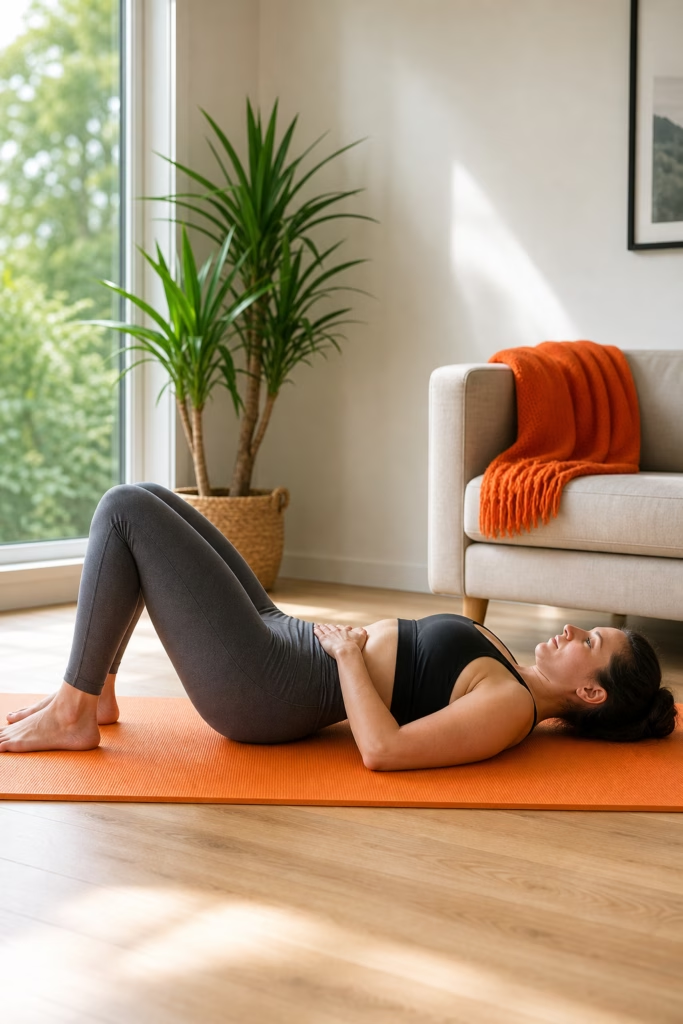
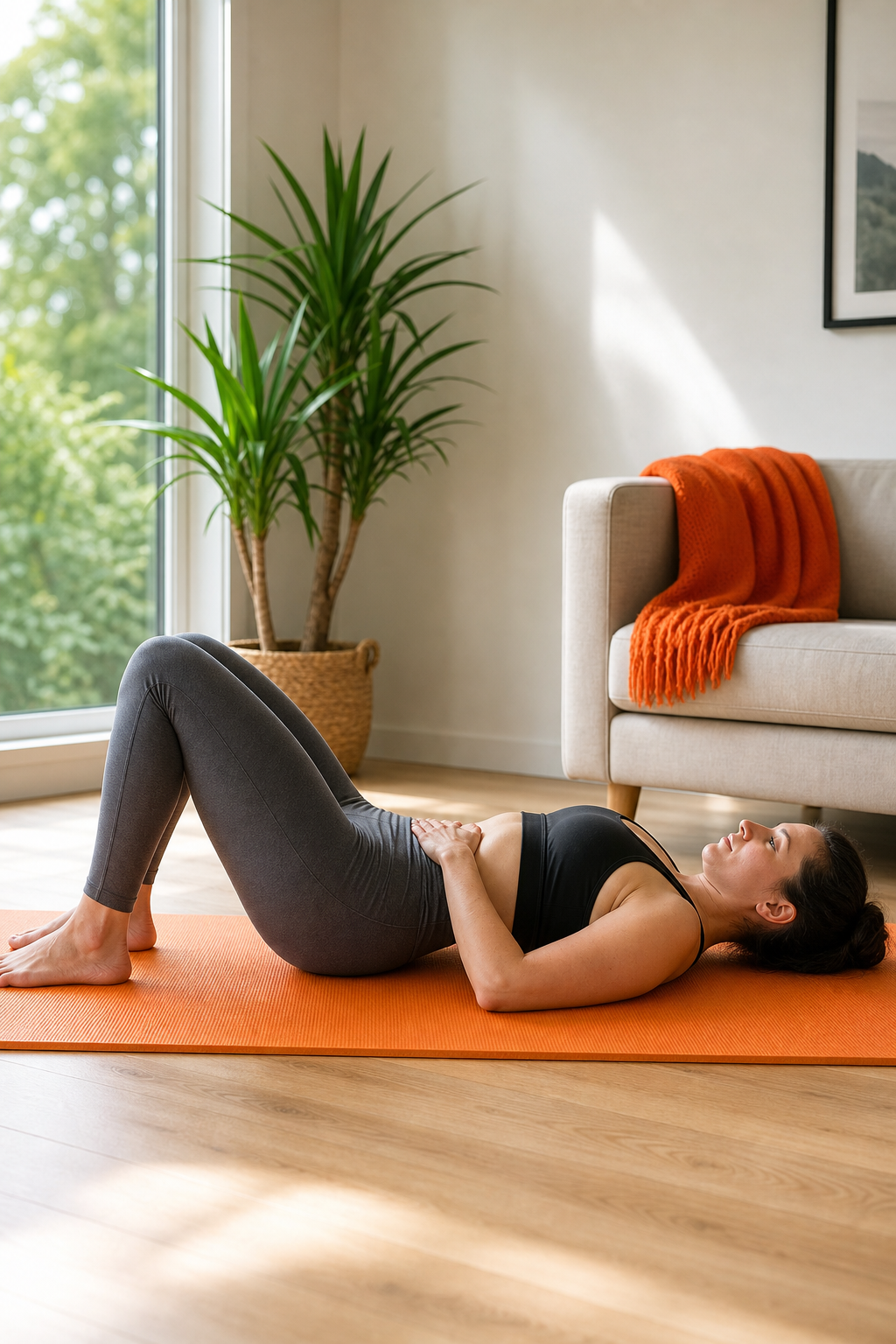
The goal is to flatten the low‑back curve and teach your core to hold the spine in a neutral position. Lie on your back with knees bent, feet flat on the floor. Gently pull your belly button toward your spine, flattening the small of your back against the surface. Hold for five seconds, then relax. Repeat ten times. This move activates the transversus abdominis, a key stabiliser for the lumbar region. For a quick visual, see a pelvic tilt illustration.
When you finish, you should feel a subtle opening in the low‑back space. If you notice any sharp pain, stop and talk to a therapist.
 Step 2: Knee‑to‑Chest Stretch
This stretch loosens the glutes and hip flexors, which often pull on the lumbar spine. While lying on your back, hug one knee to your chest, keeping the opposite leg relaxed. Breathe in, then exhale as you gently pull the knee closer. Hold for 20‑30 seconds, then switch sides. Aim for two sets per side. The motion is gentle enough for most beginners and can be done twice a day. Experts describe this as a core component of a spine‑conditioning program.
Step 3: Hamstring and Hip‑Flexor Stretch
Tight hamstrings drag the pelvis down, increasing strain on the lower back. Sit on the floor, extend one leg, and reach toward the toes without locking the knee. Keep the stretch light, you should feel a pull, not pain. Hold for 30 seconds, then repeat on the other side. Do this twice daily. Static hamstring stretches can improve flexibility and reduce back stress.
Step 4: Core Strengthening , Bridges & Bird‑Dog
Strong glutes and deep core muscles protect the spine during daily activities. If you’d like personalised guidance on progressing these movements safely, our physiotherapy services are designed to meet you exactly where you are. Bridge: Lie on your back, knees bent, feet hip‑width apart. Press through your heels, lift hips toward the ceiling, creating a straight line from shoulders to knees. Squeeze the glutes at the top, hold three seconds, then lower slowly. Aim for ten reps, two sets.
Bird‑Dog: Start on hands and knees, wrists under shoulders, knees under hips. Extend the right arm forward while sliding the left leg back, keeping the torso stable. Hold three seconds, return to start, then switch sides. Do ten reps per side, two sets. These moves engage the lumbar multifidus and improve spinal stability.
Step 5: Mobility & Relaxation , Cat‑Camel, Child’s Pose, and Props
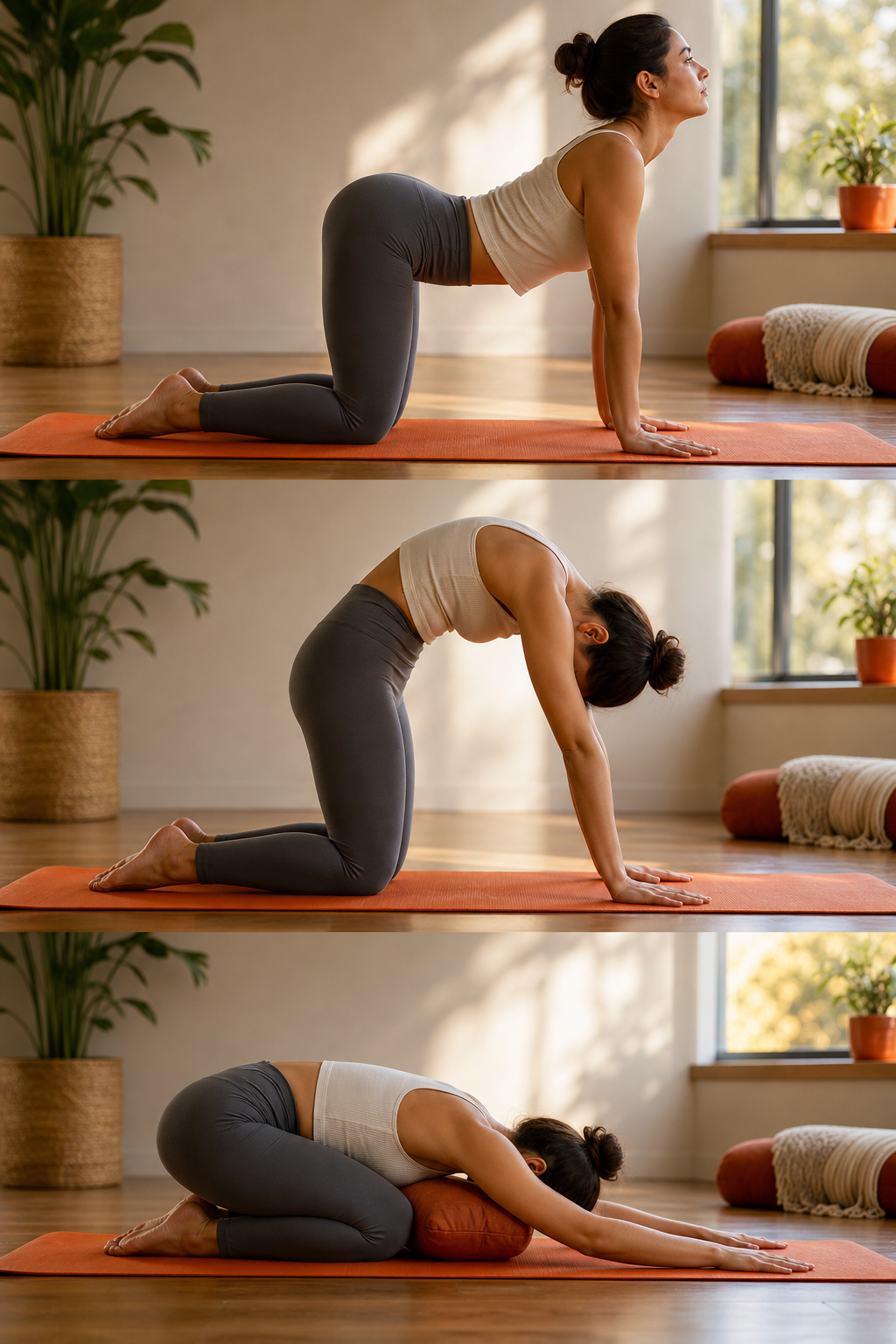 Cat‑Camel: Get on all fours. Inhale, arch your back (camel) by dropping the belly and lifting the head. Exhale, round the spine (cat) by tucking the chin and pulling the belly toward the ceiling. Move slowly, syncing breath with motion. Perform 10 cycles.
Child’s Pose: From all fours, sit back onto your heels, stretch arms forward, and let the torso rest on the thighs. Hold for 30 seconds, breathing deeply. This position releases tension in the lumbar muscles.
Props: Place a small pillow or rolled towel under the lower back while lying supine. Let the support gently flatten the curve and relax the muscles for a minute. Use this whenever you need a quick reset during the day.
FAQ
How often should I do these physiotherapy exercises?
Aim for 2‑3 sessions per day for the stretches and once daily for the strengthening moves. Consistency beats intensity , a short routine each day builds lasting stability.
Can I do these exercises if I have a herniated disc?
Most moves are low‑impact, but avoid any that cause sharp pain. Start with the pelvic tilt and knee‑to‑chest stretch, and consult a physiotherapist before progressing to make sure the routine is safe for your specific condition.
Do I need any equipment?
No. All five steps use only your body weight and a pillow or towel if you want extra support. That matches the 86% of evidence‑based back‑pain moves that require no gear.
When will I notice improvement?
Many people feel less stiffness after a week of regular practice. Full benefits, like stronger core control, typically appear after two to three weeks.
When to See a Physiotherapist
Home exercises are a great starting point, but there are times when professional guidance is not just helpful, it is essential. Here are the key signs that it is time to stop self‑managing and reach out to a clinician.
Persistent pain beyond two weeks. If your lower back pain has not improved after two weeks of consistent exercise and rest modifications, a deeper assessment is warranted. Prolonged pain can indicate an underlying issue that a routine will not resolve on its own.
Pain radiating down the leg. A sharp, burning, or tingling sensation that travels from the lower back through the buttock and into the leg is a classic sign of sciatica or nerve involvement. This pattern requires professional evaluation to identify the root cause and protect nerve health.
Pain after a fall or accident. Any back pain that follows a traumatic event, even a minor one, should be assessed to rule out fracture or structural damage before you begin any exercise program.
Pain that worsens with exercise. If your symptoms increase rather than ease during or after these exercises, do not push through. Worsening pain is your body’s signal that something needs closer attention.
Weakness or numbness. Loss of strength in the legs or feet, or numbness and tingling in the lower extremities, can indicate nerve compression that requires prompt intervention.
If any of these apply to you, book an assessment at Dynamic Balance Physio so our team can build a safe, personalised plan around your specific needs.
Conclusion
Start with the pelvic tilt routine today and add the other moves as you feel comfortable. For more back‑health tips, check out our guide on how physiotherapy can speed recovery and keep the momentum going.
Ready to put this into practice? Dynamic Balance Physio was built for exactly this.
“`