

Best Stretches for Sciatica Pain Relief

Sciatica can turn a simple walk into a painful slog. Below are the most effective stretches that loosen the nerve, calm the muscle tension, and let you get back to daily life.
⚠️ Important: Before attempting any of these stretches, consult a qualified physiotherapist—especially if you have an existing injury, chronic condition, or recent surgery. Stop immediately if you experience sharp or worsening pain. Book a physiotherapy assessment with Dynamic Balance Physio before starting.
1. Piriformis Stretch , Relieves deep gluteal tension
The piriformis muscle sits deep in the buttock, right next to the sciatic nerve. When it tightens, it can press on the nerve and cause shooting pain down the leg. Spine Health explains that gentle piriformis stretches help restore hip flexibility and reduce nerve irritation.
To do the supine version, lie on your back with both knees bent. Pull the affected leg toward your chest, then cross the ankle over the opposite knee. Use your hand to gently guide the knee toward the floor until you feel a stretch in the buttock. Hold for 30 seconds, repeat three times.
Why it works: the stretch pulls the piriformis away from the nerve, creating space for blood flow and less compression. It’s a low‑impact move that anyone can try, even if you’re new to stretching.
If you’re looking for a deeper dive on why stretching matters, check out Are You Familiar With the Health Benefits of Stretching? for evidence‑based guidance.
2. Knee‑to‑Chest Stretch , Gentle lower back elongation
This stretch targets the lumbar spine and the surrounding muscles, easing the pull on the sciatic nerve. It’s especially good for people who feel tightness in the lower back before the leg pain starts.
Lie on your back, bend one knee, and hug it to your chest with both hands. Keep the opposite leg flat on the floor. Hold the stretch for 30 seconds, then switch sides. Do three sets per side.
What makes it safe: the motion keeps the spine in a neutral position, avoiding the deep bending that can aggravate a flare‑up. Harvard Health notes that gentle, controlled movements are among the safest ways to manage sciatica symptoms.
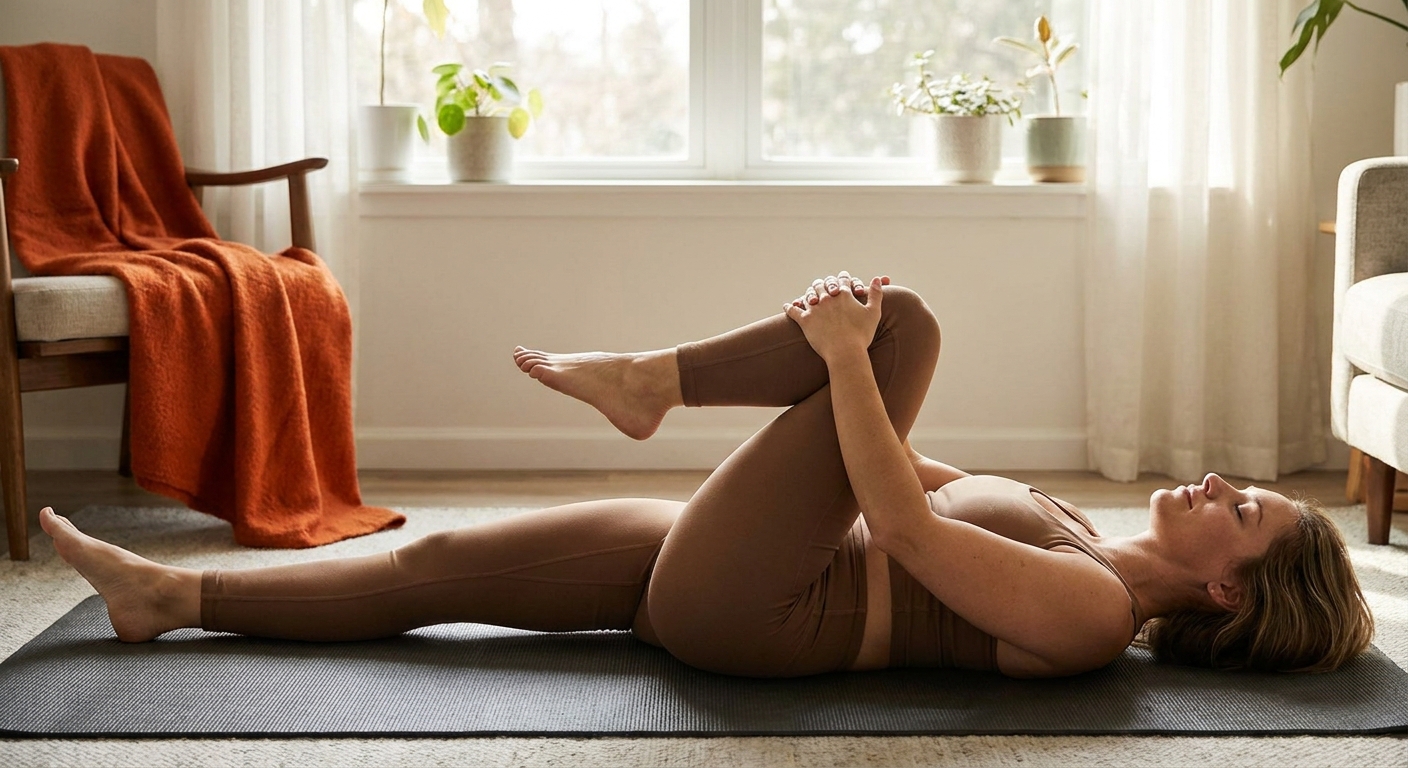
When you feel the stretch in the lower back, you’re lengthening the muscles that often hug the nerve. This reduces pressure and lets the nerve glide more freely.
3. Seated Forward Fold , Stretches hamstrings & sciatic nerve
Hamstring tightness can pull on the pelvis and increase sciatic tension. Sitting down removes balance concerns, making this stretch accessible for most people.
Sit on the edge of a chair, place one foot flat on the floor, and extend the other leg straight out with the heel on the ground. Hinge at the hips and reach toward the toes of the extended leg. Keep the back straight; stop when you feel a mild stretch in the back of the thigh. Hold for 30 seconds, then repeat on the other side.
According to Healthline, extending the hamstrings helps open the space around the sciatic nerve, easing pain that travels down the leg.
Because you stay seated, the move protects the lower back from excessive flexion while still delivering a deep muscle pull.
4. Supine Figure‑Four Stretch , Opens hips & reduces nerve irritation
The figure‑four position targets the glutes and outer hip rotators, which often contribute to piriformis‑related sciatica.
Lie on your back, cross your right ankle over your left knee, forming a “4”. Thread your right hand through the opening and gently pull the left thigh toward your chest. Hold for 30 seconds, then switch sides.
Why it matters: by opening the hip joint, you relieve the muscular pressure that can trap the sciatic nerve.
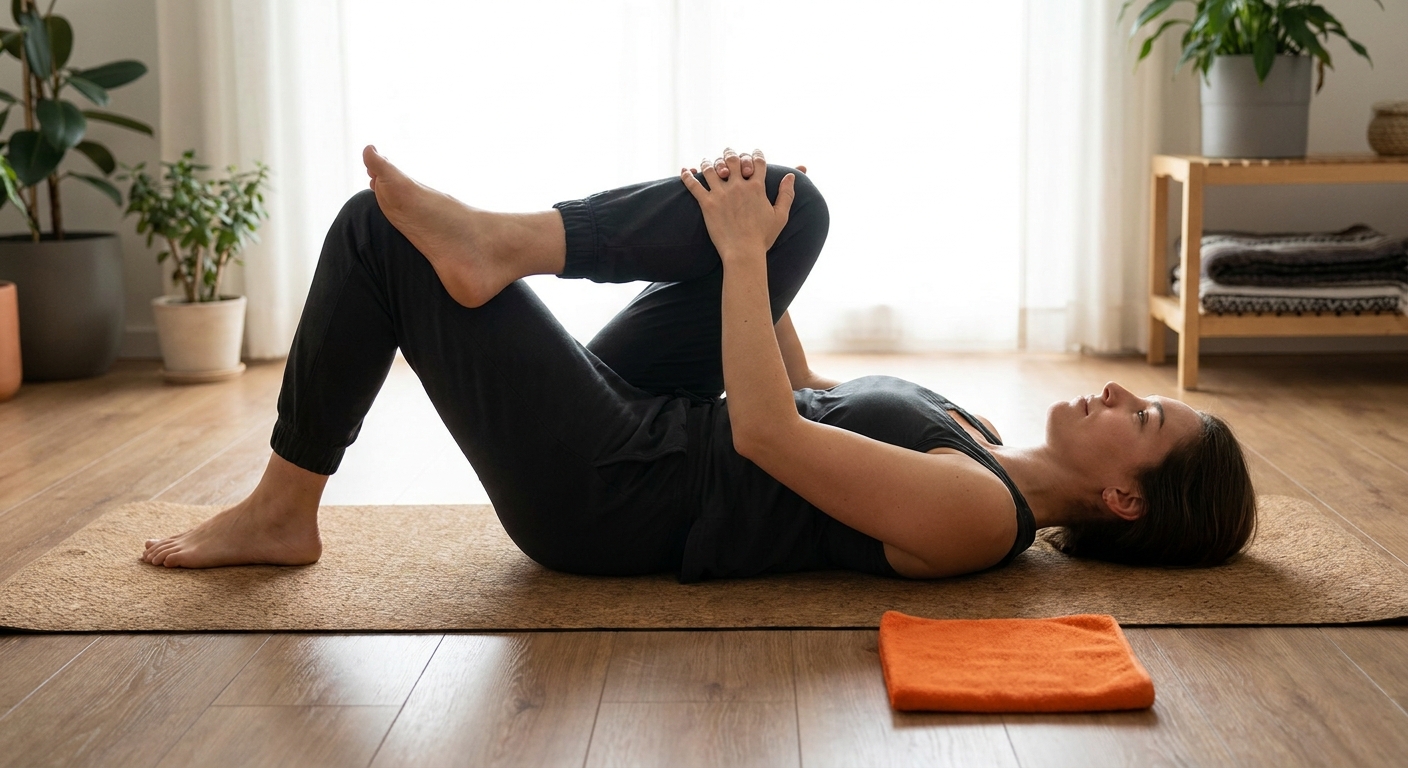
The stretch is gentle enough for beginners but effective for seasoned athletes alike.
5. Cat‑Cow Mobilization , Improves spinal flexibility
Cat‑Cow is a dynamic movement that gently mobilizes the entire spine, encouraging fluid motion of the vertebrae and surrounding tissues.
Start on all fours. Inhale, drop your belly, lift your head and tailbone (Cow). Exhale, round your back, tuck your chin, and draw the belly toward the spine (Cat). Move slowly, matching the breath, for 1‑2 minutes.
Benefits: the rhythmic flexion‑extension cycles increase spinal fluid circulation, which can lessen nerve irritation. It also warms up the core muscles that support proper posture.
How to Choose the Right Stretch for You
- Identify where the pain starts , lower back, buttock, or leg.
- Pick a stretch that targets that area without forcing the spine into deep flexion.
- Start with short holds (15‑30 seconds) and increase gradually as comfort improves.
- Stop if you feel sharp pain; a gentle stretch should never be painful.
Comparison of Stretches
FAQ
What causes sciatica pain?
Sciatica pain comes from irritation or compression of the sciatic nerve, which runs from the lower spine through the buttocks and down each leg.
How often should I do these stretches?
Aim for a short session (5‑10 minutes) once or twice a day; consistency beats intensity for nerve health.
Can I do these stretches if I have a herniated disc?
Yes, but stick to gentle movements and avoid any stretch that causes sharp pain; consult a physiotherapist if you’re unsure.
Do I need equipment for these stretches?
No special gear is required, just a comfortable surface like a yoga mat or a sturdy chair.
When should I see a professional?
If pain persists beyond a few weeks, worsens, or is accompanied by numbness, schedule an appointment with a qualified physiotherapist.
Conclusion
Start with the piriformis stretch and add the others as you feel more comfortable. For a personalized routine, explore the guide on Physiotherapy vs Massage for Back Pain to see how a professional can tailor stretches to your needs.
Ready to put this into practice? Dynamic Balance Physio was built for exactly this.